
The Key Aspects of Injury Prevention in Sports
In the dynamic world of sports, injury prevention is not just a precaution—it is a critical component of long-term athletic success and well-being. Whether you are a professional athlete or an enthusiastic amateur, understanding the multifaceted strategies that contribute to injury prevention can significantly enhance performance and reduce the risk of harm.
Preparation and Conditioning: The Foundation of Safety
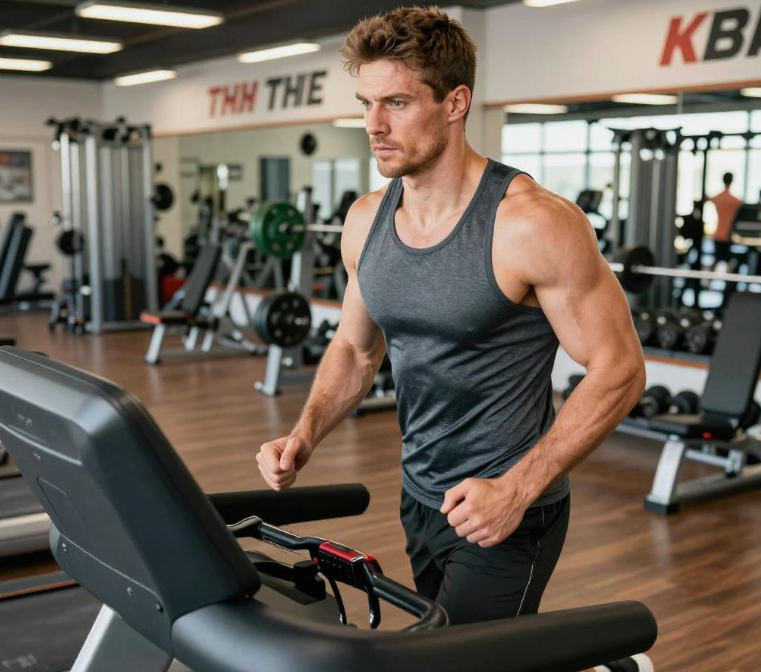
A strong foundation in physical preparation is essential for minimizing the likelihood of sports-related injuries. This includes tailored strength training, flexibility routines, and cardiovascular conditioning designed to match the demands of the specific sport. For instance, a soccer player might focus on lower-body endurance and agility, while a swimmer may prioritize core stability and upper-body power. Proper conditioning not only improves performance but also builds resilience against common injuries such as sprains, strains, and fractures.
Proper Technique and Form: A Shield Against Harm
One of the most overlooked yet crucial elements of injury prevention is mastering the correct technique for each activity. Poor form can place unnecessary stress on joints and muscles, increasing the risk of overuse injuries or acute trauma. Coaches and trainers play a vital role in guiding athletes to develop efficient movement patterns. Imagine a weightlifter who bends their back instead of engaging their core—this small mistake could lead to serious spinal issues over time. By prioritizing technique, athletes can protect themselves from preventable harm.
Warm-Up and Cool-Down Routines: More Than Just a Routine
Many athletes treat warm-ups and cool-downs as mere formalities, but these practices are far more than just a ritual. A thorough warm-up increases blood flow, activates muscles, and prepares the body for the intensity of the activity ahead. Similarly, a proper cool-down helps reduce muscle soreness and promotes recovery. These routines should be dynamic and sport-specific, rather than generic. For example, a runner might include high knees and butt kicks in their warm-up, while a basketball player might focus on lateral movements and ankle mobility drills.

Equipment and Environment: The Often-Overlooked Factors
The right gear can make all the difference between a safe session and a potentially dangerous one. Protective equipment such as helmets, mouthguards, and knee pads is essential in contact sports, but even non-contact activities benefit from appropriate footwear and clothing. Additionally, the environment in which an athlete trains plays a significant role. A poorly maintained field, uneven surfaces, or inadequate lighting can all contribute to accidents. Ensuring that training spaces are safe and well-maintained is a responsibility shared by athletes, coaches, and facility managers alike.
Rest and Recovery: The Unsung Heroes of Injury Prevention
Injuries often stem from overtraining and insufficient recovery. Pushing the body beyond its limits without adequate rest can lead to fatigue, decreased coordination, and a higher risk of injury. Athletes must recognize the importance of rest days, sleep, and active recovery techniques such as stretching, foam rolling, and massage. Listening to the body’s signals—such as persistent pain or unusual fatigue—is a sign of wisdom, not weakness. In many cases, taking a step back can prevent a much longer setback down the line.
Mental Health and Awareness: The Invisible Layer
While physical aspects are often the focus of injury prevention, mental health and awareness cannot be ignored. Stress, anxiety, and lack of focus can impair judgment and reaction times, making athletes more vulnerable to accidents. Incorporating mindfulness practices, visualization techniques, and regular mental health check-ins can help maintain a balanced and alert mindset. A mentally prepared athlete is better equipped to react to unexpected situations and avoid harm.
Conclusion: A Holistic Approach to Safety
Injury prevention in sports is not a single strategy but a comprehensive approach that encompasses physical preparation, technical skill, environmental factors, and mental well-being. It requires a proactive mindset, ongoing education, and a commitment to safety at every level. By integrating these key aspects into daily training and competition routines, athletes can significantly reduce their risk of injury and enjoy a longer, healthier career in their chosen sport. Ultimately, the goal is not just to perform well, but to perform safely and sustainably.
Disclaimer:
1. This article is sourced from the Internet. All content represents the author's personal views only and does not reflect the stance of this website. The author shall be solely responsible for the content.
2. Part of the content on this website is compiled from the Internet. This website shall not be liable for any civil disputes, administrative penalties, or other losses arising from improper reprinting or citation.
3. If there is any infringing content or inappropriate material, please contact us to remove it immediately. Contact us at:
