
The Best Time to Work Out at the Gym: A Comprehensive Analysis
For many individuals, the question of when to hit the gym is as important as what exercises to perform. While there is no one-size-fits-all answer, understanding how different times of day affect physical performance, mental focus, and recovery can help optimize your workout routine. Research and practical experience suggest that the best time to work out varies depending on personal goals, lifestyle, and biological rhythms.
Understanding Circadian Rhythms and Physical Performance
Human bodies operate on a 24-hour internal clock known as the circadian rhythm. This biological cycle influences everything from energy levels to hormone production. For instance, testosterone, a key hormone for muscle growth and strength, tends to peak in the late afternoon. Similarly, core body temperature rises during the day, reaching its highest point around 4–6 p.m., which can enhance athletic performance and reduce the risk of injury. These natural fluctuations mean that working out in the late afternoon or early evening may offer physiological advantages for those focused on strength training or high-intensity workouts.
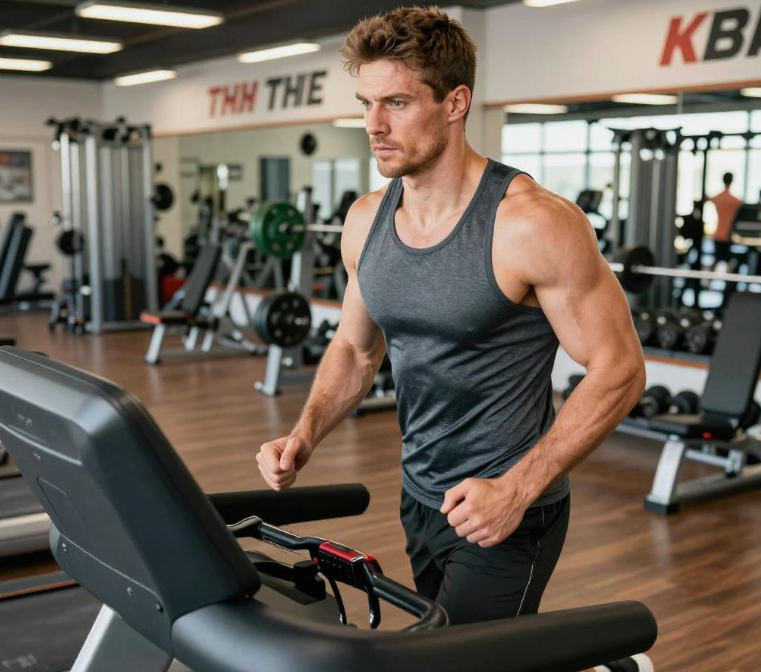
Morning Workouts: Energy and Discipline
Mornings are often seen as an ideal time to start the day with exercise. For people who struggle with motivation later in the day, hitting the gym early can set a positive tone for the rest of the day. Morning workouts also tend to align well with fat-burning potential, as the body has not yet consumed a significant amount of calories. However, some individuals may find it difficult to fully warm up their muscles and achieve optimal performance before breakfast. This is where personalized approach becomes essential—some may benefit from a light snack or hydration strategy before starting.
Afternoon and Evening Workouts: Peak Performance and Recovery
As the day progresses, the body’s readiness for physical activity increases. The combination of elevated body temperature, higher levels of cortisol (a stress hormone that can boost energy), and increased blood flow makes the afternoon an attractive window for intense training. Many athletes and fitness enthusiasts report feeling more alert and capable during this time. Additionally, working out in the evening can help regulate sleep patterns by promoting a sense of fatigue that encourages deeper rest. However, for those sensitive to caffeine or other stimulants, timing workouts too close to bedtime might interfere with sleep quality.

Personalization: Tailoring Your Routine to Your Needs
Ultimately, the best time to go to the gym depends on individual preferences, schedules, and objectives. A busy professional may find mornings more feasible, while a student or someone with a flexible schedule might prefer afternoons. What matters most is consistency. If you consistently train at a time that fits your life, you’re more likely to stick with it. Moreover, listening to your body is crucial. Some people feel energized in the morning, while others thrive in the late hours. Experimenting with different times and observing how your body responds can lead to better long-term results.
Conclusion: Aligning Time with Purpose
In conclusion, the optimal time to work out at the gym is not a fixed moment but rather a dynamic choice influenced by personal biology, lifestyle, and fitness goals. Whether you choose to lift weights at dawn or sprint under the evening sun, the key lies in finding a time that allows you to train effectively, recover well, and maintain a sustainable habit. By recognizing the interplay between time, physiology, and personal preference, you can create a workout schedule that truly works for you.
Disclaimer:
1. This article is sourced from the Internet. All content represents the author's personal views only and does not reflect the stance of this website. The author shall be solely responsible for the content.
2. Part of the content on this website is compiled from the Internet. This website shall not be liable for any civil disputes, administrative penalties, or other losses arising from improper reprinting or citation.
3. If there is any infringing content or inappropriate material, please contact us to remove it immediately. Contact us at:
