
Home Fitness Recommendations
In an era where time and convenience often dictate our lifestyles, home fitness has emerged as a practical and effective alternative to traditional gym environments. Whether you're seeking to maintain physical health, manage stress, or simply stay active without the hassle of commuting, a well-structured home workout routine can deliver remarkable results.
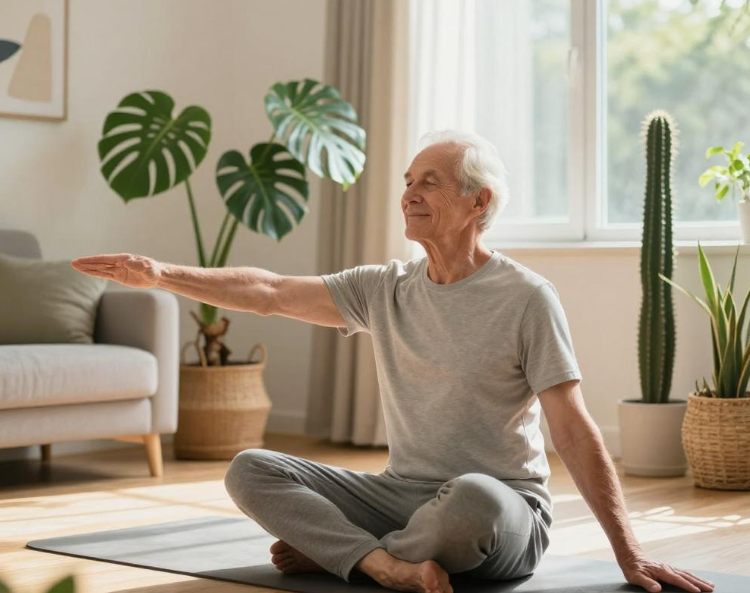
The Rise of Home Fitness
The shift toward home-based exercise is not merely a trend but a reflection of evolving consumer preferences and technological advancements. With the proliferation of online fitness platforms, smart equipment, and mobile apps, individuals now have unprecedented access to tailored workout programs. This accessibility has made it easier than ever to create a personalized fitness plan that fits individual schedules and goals.
Key Elements of an Effective Home Workout
A successful home fitness setup goes beyond just having a few dumbbells and a yoga mat. It requires thoughtful planning and a clear understanding of your fitness objectives. The core components include:
- Space Optimization: Even in small living areas, strategic placement of equipment can maximize functionality. A corner with a pull-up bar, resistance bands, and a mat can serve multiple purposes.
- Equipment Selection: Choosing the right tools depends on your goals. For strength training, adjustable dumbbells or kettlebells are versatile. For cardio, a treadmill or stationary bike can be invaluable.
- Routine Variety: Monotony can lead to burnout, so incorporating different types of exercises—such as HIIT, yoga, and strength training—keeps workouts engaging and effective.
- Motivation and Accountability: Without the presence of a trainer or peers, self-discipline becomes crucial. Setting specific goals, tracking progress, and using fitness apps can help maintain consistency.

Real-World Applications and Success Stories
Consider the case of Sarah, a working mother who struggled to find time for regular gym sessions. By dedicating 30 minutes each morning to a home workout, she was able to improve her endurance, lose weight, and boost her overall energy levels. Her routine included bodyweight exercises, short bursts of cardio, and mindfulness practices to reduce stress. Similarly, John, a remote worker, used a resistance band and a stability ball to build core strength and enhance posture, which had long been neglected due to prolonged sitting.
Practical Tips for Beginners
For those new to home fitness, starting with simple routines and gradually increasing intensity is essential. Focus on proper form to prevent injuries, and don’t hesitate to seek guidance from reputable sources. Many online communities and fitness influencers offer free tutorials that can be incredibly helpful. Additionally, setting up a dedicated space—even if it's just a small area—can signal to your brain that it's time to focus on exercise.
Conclusion
Home fitness offers a flexible, cost-effective, and sustainable way to stay active. With the right mindset, resources, and commitment, it can become a cornerstone of a healthy lifestyle. Whether you're aiming to build strength, improve flexibility, or simply maintain general well-being, the benefits of a home-based workout are undeniable. As the lines between work, life, and fitness continue to blur, embracing the convenience of home exercise may just be the key to long-term success.
Disclaimer:
1. This article is sourced from the Internet. All content represents the author's personal views only and does not reflect the stance of this website. The author shall be solely responsible for the content.
2. Part of the content on this website is compiled from the Internet. This website shall not be liable for any civil disputes, administrative penalties, or other losses arising from improper reprinting or citation.
3. If there is any infringing content or inappropriate material, please contact us to remove it immediately. Contact us at:
