
Core Strength: The Power of Abdominal Muscle Training
Abdominal muscle training is a cornerstone of any well-rounded fitness regimen, offering benefits that extend far beyond aesthetics. Strong core muscles enhance posture, improve athletic performance, and reduce the risk of injury. Whether you're an athlete, a busy professional, or someone simply looking to feel more confident in their own skin, developing a robust core can transform your physical and mental well-being.

Why Core Strength Matters
The abdominal muscles serve as the body's central stabilizer, connecting the upper and lower body while supporting the spine. When these muscles are weak, it can lead to poor posture, back pain, and decreased functional strength. Think of the core as the foundation of a house—without a solid base, the entire structure becomes unstable. In daily life, this translates to difficulty performing simple tasks like lifting groceries or even maintaining balance while walking. For athletes, a strong core is essential for generating power, improving coordination, and maintaining control during high-intensity movements.
Effective Abdominal Exercises
There are numerous ways to target the abdominal muscles, each with its own unique benefits. Traditional exercises such as crunches and planks remain popular due to their simplicity and effectiveness. However, modern training methods often incorporate more dynamic and functional movements. For instance, Russian twists engage the obliques while also challenging balance and coordination. Dead bugs, on the other hand, are excellent for strengthening the deep core muscles without putting excessive strain on the lower back.
One of the most overlooked aspects of abdominal training is the importance of proper form. Even the most advanced exercise can be counterproductive if performed incorrectly. A common mistake is over-engaging the neck and shoulders instead of focusing on the core. This not only reduces the effectiveness of the exercise but can also lead to unnecessary strain. It’s crucial to maintain a steady breath and keep the body aligned throughout the movement.
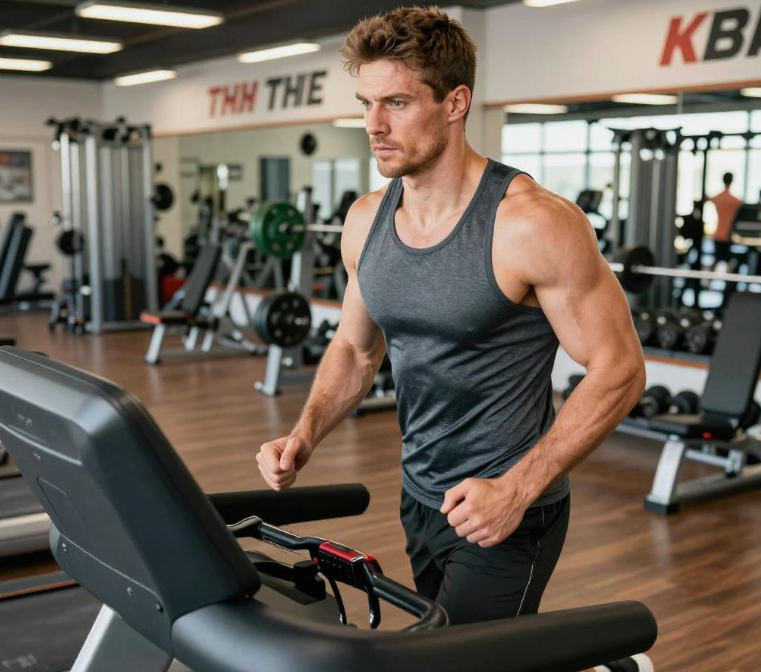
Integrating Core Work into Your Routine
Incorporating core exercises into a weekly workout plan doesn’t have to be time-consuming or overwhelming. Many people find success by dedicating 10–15 minutes per session to core-focused training. This can be done as a standalone workout or integrated into a full-body routine. For example, starting a weightlifting session with a few rounds of planks or mountain climbers can help activate the core before more intense movements.
Moreover, consistency is key. Just as with any fitness goal, progress in core strength requires regular practice and patience. Some individuals may see noticeable improvements within a few weeks, while others may take longer. The important thing is to stay committed and gradually increase the intensity and complexity of the exercises.
Beyond the Gym: Core Health in Daily Life
While structured workouts are vital, core strength can also be developed through everyday activities. Simple habits like standing with good posture, sitting with a straight back, or even carrying heavy objects correctly can all contribute to a stronger core. Additionally, mindfulness practices such as yoga and Pilates offer a holistic approach to core development, combining physical movement with mental focus.
For those who struggle with chronic lower back pain, strengthening the core can provide significant relief. Studies have shown that individuals with stronger abdominal muscles experience fewer instances of back discomfort. This is because a strong core helps distribute the load more evenly across the spine, reducing stress on the joints and discs.
Final Thoughts
Abdominal muscle training is much more than just about achieving a six-pack. It's about building a foundation that supports overall health, functionality, and longevity. Whether you're aiming to improve your athletic performance, recover from an injury, or simply feel better in your daily life, investing time in core strength is always worthwhile. With the right approach, discipline, and understanding, anyone can unlock the full potential of their core muscles.
Disclaimer:
1. This article is sourced from the Internet. All content represents the author's personal views only and does not reflect the stance of this website. The author shall be solely responsible for the content.
2. Part of the content on this website is compiled from the Internet. This website shall not be liable for any civil disputes, administrative penalties, or other losses arising from improper reprinting or citation.
3. If there is any infringing content or inappropriate material, please contact us to remove it immediately. Contact us at:
