
The Significance of Posture Correction
In an era where sedentary lifestyles and digital dependency have become the norm, the importance of posture correction has moved from a niche concern to a critical aspect of overall well-being. Proper alignment of the body not only enhances physical appearance but also plays a vital role in preventing chronic pain, improving mobility, and boosting mental health. As more individuals recognize the long-term consequences of poor posture, the demand for effective corrective strategies continues to rise.

Understanding the Impact of Poor Posture
Poor posture is often the result of prolonged sitting, repetitive movements, or incorrect lifting techniques. It can manifest in various ways, from rounded shoulders and a forward head position to an exaggerated lumbar curve. These misalignments place unnecessary stress on muscles, joints, and the spine, leading to discomfort, fatigue, and even long-term musculoskeletal disorders. For instance, office workers who spend hours hunched over a keyboard may experience neck and back pain that significantly affects their quality of life.
The Role of Posture in Physical Health
Beyond immediate discomfort, poor posture can have far-reaching effects on the body’s functional capabilities. A misaligned spine can compress nerves and restrict blood flow, which may contribute to issues such as headaches, reduced lung capacity, and digestive problems. On the flip side, maintaining good posture supports optimal organ function, promotes better breathing, and enhances circulation. Imagine standing tall with your shoulders back and your core engaged—this simple adjustment can make a noticeable difference in how you feel physically and mentally.
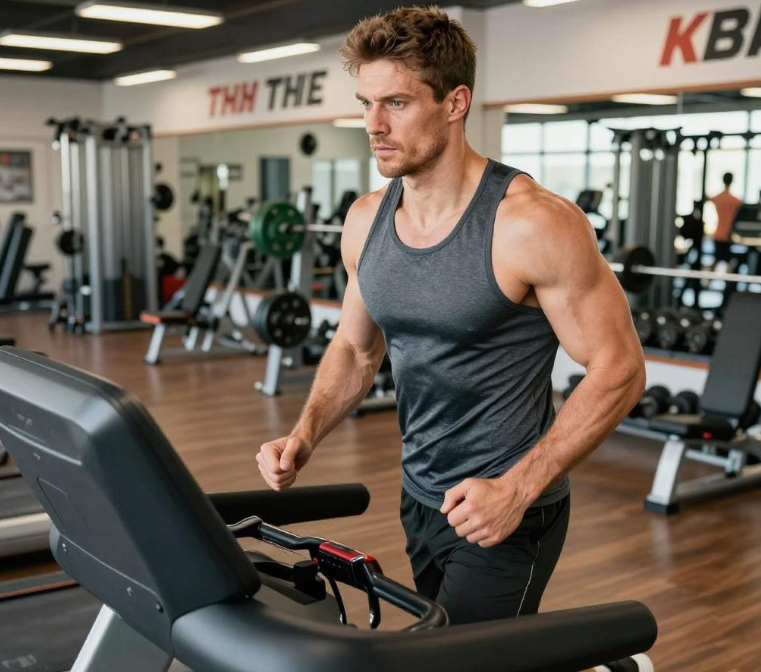
Posture and Mental Well-Being
Interestingly, posture is not just a physical concern; it also influences psychological states. Research has shown that individuals who adopt confident postures experience increased levels of self-esteem and reduced stress. The connection between body and mind is undeniable, and correcting one’s posture can lead to a more positive outlook and greater resilience against daily pressures. In this sense, posture correction becomes a holistic practice—one that nurtures both the body and the mind.
Practical Approaches to Posture Improvement
Correcting posture requires a combination of awareness, education, and consistent effort. Simple adjustments, such as ergonomic workstations, regular stretching, and strengthening exercises, can go a long way in addressing common postural issues. Physical therapy, yoga, and Pilates are also effective methods for realigning the body and building core strength. However, the key lies in developing a long-term habit rather than seeking quick fixes.
The Long-Term Benefits of Posture Correction
Investing in posture correction today can yield significant benefits in the future. By reducing the risk of injury, alleviating chronic pain, and enhancing physical performance, individuals can enjoy a more active and fulfilling lifestyle. Moreover, improved posture contributes to a more confident and composed demeanor, which can positively influence personal and professional interactions. In essence, posture is not just about looking good—it’s about feeling good and functioning at your best.
Conclusion
In conclusion, the significance of posture correction extends beyond aesthetics. It is a foundational element of physical health, mental clarity, and overall quality of life. As society becomes increasingly aware of the consequences of poor posture, the need for proactive and informed approaches to posture management grows ever more urgent. Whether through daily habits, targeted exercises, or professional guidance, taking steps toward better posture is an investment in long-term well-being.
Disclaimer:
1. This article is sourced from the Internet. All content represents the author's personal views only and does not reflect the stance of this website. The author shall be solely responsible for the content.
2. Part of the content on this website is compiled from the Internet. This website shall not be liable for any civil disputes, administrative penalties, or other losses arising from improper reprinting or citation.
3. If there is any infringing content or inappropriate material, please contact us to remove it immediately. Contact us at:
