
How to Improve Flexibility Training
Flexibility training is a critical component of any well-rounded fitness regimen, offering benefits that extend beyond mere physical movement. It enhances joint range of motion, reduces the risk of injury, and supports overall musculoskeletal health. Whether you're an athlete aiming for peak performance or someone seeking a more active lifestyle, incorporating flexibility into your routine can significantly improve your quality of life.
The Importance of Flexibility in Daily Life
In today’s fast-paced world, many people spend long hours sitting at desks or engaging in repetitive motions that can lead to tight muscles and restricted movement patterns. Imagine trying to bend down to tie your shoes or reach for something on a high shelf—without proper flexibility, these simple tasks can become challenging. Flexibility isn't just about being able to touch your toes; it's about maintaining functional mobility that supports everyday activities with ease.
Moreover, flexibility plays a crucial role in athletic performance. Athletes who maintain good flexibility often experience better balance, coordination, and power output. For instance, a gymnast needs exceptional flexibility to perform complex routines, while a runner may benefit from increased stride length and reduced muscle fatigue. In both cases, the ability to move freely and efficiently is essential.
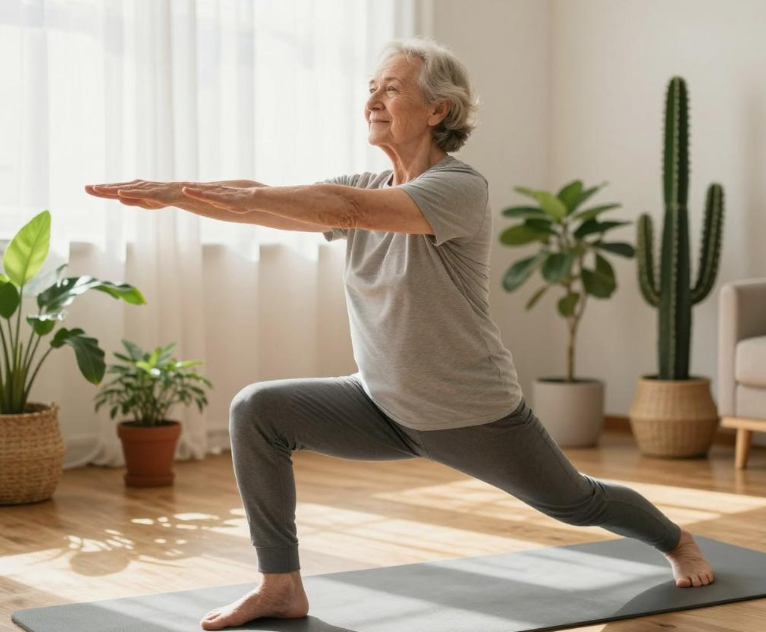
Effective Techniques for Flexibility Training
There are several methods to enhance flexibility, each with its own advantages. Static stretching, where a stretch is held for a period of time, is one of the most common approaches. This method is particularly effective for improving long-term flexibility and is often used after a workout when the body is warm. Dynamic stretching, on the other hand, involves controlled movements that mimic the activity you’re about to perform. This type of stretching is ideal before exercise, as it helps prepare the muscles for action and increases blood flow.
Yoga and Pilates are also excellent practices for building flexibility. These disciplines combine stretching with strength and breath control, offering a holistic approach to physical wellness. A yoga session might include poses like downward dog or cobra, which target multiple muscle groups while promoting elongation and balance. Similarly, Pilates focuses on core strength and controlled movements that enhance flexibility and posture.
Creating a Sustainable Routine
The key to successful flexibility training lies in consistency. Unlike strength training, which often yields quick results, flexibility improvements take time and patience. It’s important to approach this aspect of fitness with a long-term mindset. Incorporating short, regular stretching sessions into your daily routine can be more effective than infrequent, longer sessions.
Consider starting with 10–15 minutes of stretching each day, gradually increasing the duration as your flexibility improves. Pay attention to how your body responds—overstretching can lead to injury, so it's essential to listen to your limits. Using props such as yoga blocks or resistance bands can help achieve proper form and reduce strain on the joints.

Integrating Flexibility into a Broader Fitness Plan
Flexibility should not be viewed in isolation but as part of a comprehensive fitness strategy. Combining it with strength, endurance, and balance training creates a well-rounded approach to physical health. For example, a runner who also practices yoga may find that their recovery time decreases and their performance improves due to better muscle function and reduced tension.
Additionally, flexibility training can have mental and emotional benefits. The mindful nature of practices like yoga encourages relaxation and stress relief, making it a valuable tool for overall well-being. It's not just about physical movement—it's about creating harmony between body and mind.
Conclusion
Flexibility training is more than a passive activity; it's an investment in your physical and mental health. By understanding its importance, exploring different techniques, and committing to a consistent routine, individuals can unlock greater mobility, prevent injuries, and enhance their overall quality of life. Whether you're a seasoned athlete or just beginning your fitness journey, the benefits of flexibility are accessible to all. With the right approach, flexibility becomes a natural and rewarding part of a balanced lifestyle.
Disclaimer:
1. This article is sourced from the Internet. All content represents the author's personal views only and does not reflect the stance of this website. The author shall be solely responsible for the content.
2. Part of the content on this website is compiled from the Internet. This website shall not be liable for any civil disputes, administrative penalties, or other losses arising from improper reprinting or citation.
3. If there is any infringing content or inappropriate material, please contact us to remove it immediately. Contact us at:
