
The Power of Women's Strength Training
Strength training is no longer a domain exclusive to men; it has become an essential component of fitness for women across all age groups and fitness levels. Far from being a niche activity, strength training offers profound benefits that extend beyond physical appearance, contributing significantly to overall health, confidence, and quality of life. Whether aiming to build muscle, improve endurance, or enhance daily functionality, women who engage in strength training find themselves empowered in ways that transcend the gym.
Understanding the Benefits
The advantages of strength training for women are both immediate and long-term. On a physiological level, it enhances muscle mass, increases bone density, and improves metabolic rate. These changes not only support weight management but also reduce the risk of chronic conditions such as osteoporosis and type 2 diabetes. Beyond the physical, strength training fosters mental resilience. The sense of accomplishment after completing a challenging workout can be transformative, boosting self-esteem and emotional well-being.
Consider the case of Sarah, a 45-year-old office worker who started strength training three times a week. Within months, she noticed improved posture, reduced back pain, and a newfound energy that allowed her to keep up with her children during weekend activities. Her experience is not unique—many women report similar improvements when they commit to a consistent strength training routine.
Common Misconceptions
Despite its many benefits, strength training for women is often misunderstood. One persistent myth is that lifting weights will lead to a bulky, masculine physique. In reality, women naturally have lower levels of testosterone compared to men, making it significantly harder to gain large amounts of muscle mass. What most women achieve through strength training is a leaner, more defined body, along with increased strength and stamina.
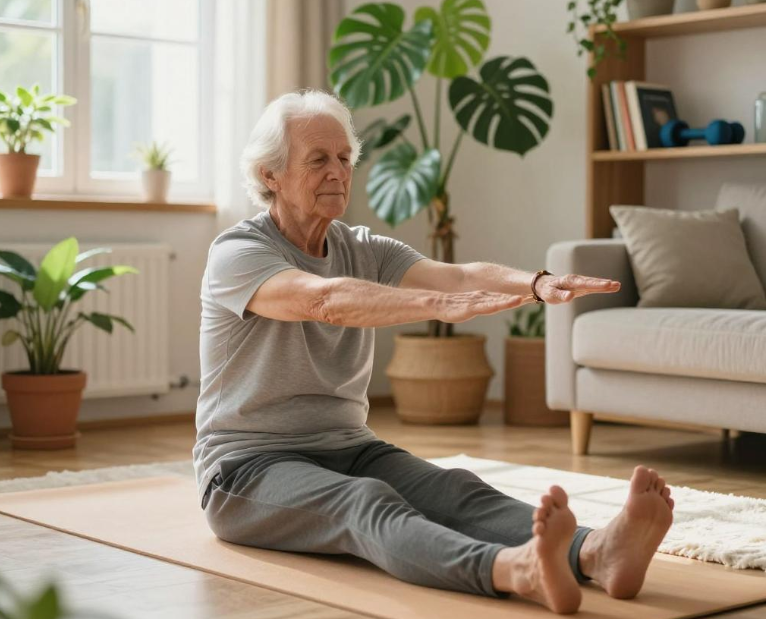
Another misconception is that strength training is only for young, athletic individuals. This could not be further from the truth. From teenagers to seniors, strength training can be adapted to suit any fitness level and goal. For older women, it becomes especially important in maintaining mobility and preventing falls, which are common concerns as the body ages.

Types of Strength Training
There are numerous ways to incorporate strength training into a woman’s fitness regimen. Free weights, such as dumbbells and barbells, offer versatility and allow for a wide range of exercises targeting different muscle groups. Resistance bands provide a low-impact alternative that is ideal for beginners or those recovering from injury. Machines found in gyms are another option, offering guided movement patterns that can help ensure proper form.
Bodyweight exercises, like push-ups, squats, and planks, are also effective and require no equipment. Many women find these exercises convenient, especially when working out at home or while traveling. Hybrid approaches, combining elements of different methods, can provide a balanced and engaging workout experience.
Creating a Sustainable Routine
Building a sustainable strength training routine involves more than just showing up to the gym. It requires planning, consistency, and a willingness to adapt. A well-rounded program should include a variety of exercises that target major muscle groups, with attention given to proper form and gradual progression. Rest and recovery are equally important, as overtraining can lead to burnout or injury.
For example, a weekly plan might consist of two days of full-body workouts, one day focused on upper body, and one day on lower body. This structure ensures balanced development while allowing time for muscles to repair. Incorporating rest days or active recovery sessions, such as yoga or light walking, can enhance overall performance and reduce the risk of injury.
The Role of Mindset and Support
Success in strength training is not solely about physical effort—it also depends on mindset and support. A positive attitude, patience, and a willingness to learn can make a significant difference. Many women find it helpful to work with a trainer or join a community of like-minded individuals, creating a supportive environment that encourages progress.
Moreover, setting realistic goals is crucial. Instead of focusing solely on weight lifted, consider tracking improvements in endurance, flexibility, or how you feel during daily activities. Celebrating small victories can reinforce motivation and build a stronger connection between mind and body.
Conclusion
Strength training is a powerful tool that empowers women in countless ways. It builds physical strength, promotes mental clarity, and fosters a deeper connection with one’s body. As more women embrace this form of exercise, the narrative around female fitness continues to evolve, breaking down barriers and redefining what it means to be strong. With the right approach, dedication, and support, strength training can become a lifelong journey of growth, resilience, and empowerment.
Disclaimer:
1. This article is sourced from the Internet. All content represents the author's personal views only and does not reflect the stance of this website. The author shall be solely responsible for the content.
2. Part of the content on this website is compiled from the Internet. This website shall not be liable for any civil disputes, administrative penalties, or other losses arising from improper reprinting or citation.
3. If there is any infringing content or inappropriate material, please contact us to remove it immediately. Contact us at:
