
How Long Is Ideal for Home Workouts Every Day?
The ideal duration for daily home workouts depends on individual goals, fitness levels, and available time. While there is no universal standard, a balanced approach that aligns with personal needs can yield significant benefits without leading to burnout or injury.

Understanding the Basics of Effective Home Exercise
Home workouts offer flexibility and convenience, making them an attractive option for many. However, their effectiveness hinges on how well they are structured. A session that is too short may not provide enough stimulus for improvement, while one that is excessively long can lead to fatigue and decreased motivation. The key lies in finding the sweet spot that maximizes results without compromising well-being.
For general health and wellness, experts often recommend 30 to 60 minutes of moderate-intensity exercise per day. This range allows for a mix of cardiovascular activity, strength training, and flexibility work. It also accommodates various fitness levels, from beginners to more advanced individuals who may require longer sessions to achieve their specific objectives.
Tailoring Your Routine to Your Goals
Fitness goals play a crucial role in determining workout duration. For someone aiming to improve overall fitness, a 45-minute session that includes a warm-up, a combination of resistance exercises, and some cardio can be highly effective. On the other hand, someone focused on weight loss might benefit from longer, more intense sessions, possibly extending beyond an hour, especially if incorporating high-intensity interval training (HIIT).
It’s also important to consider the type of exercises being performed. Bodyweight routines, such as push-ups, squats, and planks, can be completed in shorter periods but still provide a solid challenge. Conversely, a full-body strength training session using dumbbells or resistance bands may require more time to ensure proper form and adequate volume.
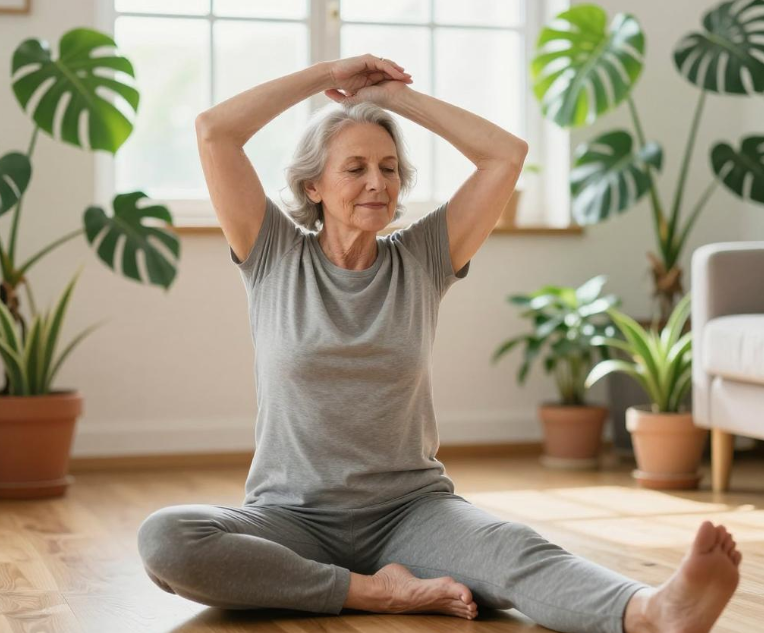
Listening to Your Body: The Importance of Recovery
One common mistake people make when working out at home is pushing too hard, too fast. Overtraining can lead to physical strain, mental fatigue, and even injury. Therefore, it’s essential to listen to your body and adjust the length and intensity of your workouts accordingly.
A practical approach is to start with shorter sessions and gradually increase the duration as your stamina and confidence grow. Incorporating rest days into your routine is equally important. These days allow muscles to recover and prevent the risk of overuse injuries. Even a 10-minute walk or a gentle stretching session on rest days can contribute positively to your overall fitness journey.
Real-World Scenarios and Practical Tips
Imagine a busy professional trying to maintain a consistent workout habit. They may find it easier to commit to a 20-minute HIIT session in the morning before starting their day. Alternatively, a stay-at-home parent might prefer breaking up their workout into three 10-minute segments throughout the day, which can be just as effective as a single longer session.
Another scenario involves someone recovering from an injury or dealing with chronic pain. In these cases, shorter, low-impact workouts—such as yoga or pilates—can help maintain mobility and strength without exacerbating existing conditions. The focus here shifts from intensity to consistency and quality of movement.
Final Thoughts: Finding Your Balance
Ultimately, the best workout duration is the one that fits your lifestyle, supports your goals, and feels sustainable. There is no one-size-fits-all answer, but by understanding your needs and being flexible with your approach, you can create a home workout routine that works for you. Whether it's 20 minutes or an hour, the most important thing is to stay consistent and mindful of your body’s signals.
Disclaimer:
1. This article is sourced from the Internet. All content represents the author's personal views only and does not reflect the stance of this website. The author shall be solely responsible for the content.
2. Part of the content on this website is compiled from the Internet. This website shall not be liable for any civil disputes, administrative penalties, or other losses arising from improper reprinting or citation.
3. If there is any infringing content or inappropriate material, please contact us to remove it immediately. Contact us at:
