
Core Strength Fitness Training Method
In the ever-evolving landscape of physical fitness, core strength training has emerged as a cornerstone for athletes, fitness enthusiasts, and individuals seeking improved posture, balance, and overall performance. Beyond the superficial appeal of a well-defined midsection, core strength serves as the foundation for nearly every movement, whether it's lifting weights, running, or even sitting at a desk for long hours. This article delves into the principles, benefits, and practical applications of core strength fitness training, offering insights that bridge theory with real-world effectiveness.
The Foundation of Physical Performance
At its core, the term "core" refers to the group of muscles that stabilize the spine and pelvis, including the rectus abdominis, transverse abdominis, obliques, and the erector spinae. These muscles act like a natural corset, providing support and enabling efficient movement patterns. A strong core doesn’t just make you look better—it makes you move better. Think of it as the engine room of your body, where power originates and is transferred to other parts of the body during dynamic activities.
In sports, for instance, a soccer player’s ability to change direction quickly or a weightlifter’s capacity to maintain proper form during heavy lifts all hinge on a robust core. Without this stability, even the most technically sound movements can break down, leading to inefficiency or injury. This is why elite coaches and trainers emphasize core development not as an afterthought but as a fundamental component of any training regimen.

Beyond Traditional Crunches: Modern Core Training Approaches
While sit-ups and crunches have long been staples in core workouts, modern fitness science has shifted toward more functional and comprehensive methods. The goal is no longer just to build visible abs but to enhance muscular endurance, coordination, and neuromuscular efficiency. Exercises such as planks, bird dogs, dead bugs, and anti-rotation presses are now widely recognized for their ability to engage multiple muscle groups simultaneously while promoting better movement control.
Consider the case of a marathon runner who incorporates rotational core exercises into their routine. These movements mimic the twisting motions of running and help prevent common injuries like lower back pain. Similarly, a yoga practitioner might use core engagement to deepen postures and improve flexibility, demonstrating how core strength transcends traditional boundaries.
Practical Applications and Real-World Benefits
The relevance of core strength extends beyond athletic performance. For the average person, a strong core contributes to better posture, reduced risk of back pain, and enhanced daily functionality. Imagine carrying groceries, lifting children, or even bending down to tie your shoes—each of these actions relies on core stability. In fact, studies have shown that individuals with weak core muscles are more prone to musculoskeletal issues, particularly in the lower back.
Personal trainers often encounter clients who struggle with chronic back pain, only to discover that the root cause lies in poor core activation. By integrating targeted core exercises into their routines, many see significant improvements in both comfort and mobility. This underscores the importance of viewing core training not as a separate discipline but as an essential part of overall wellness.
Building a Sustainable Core Routine
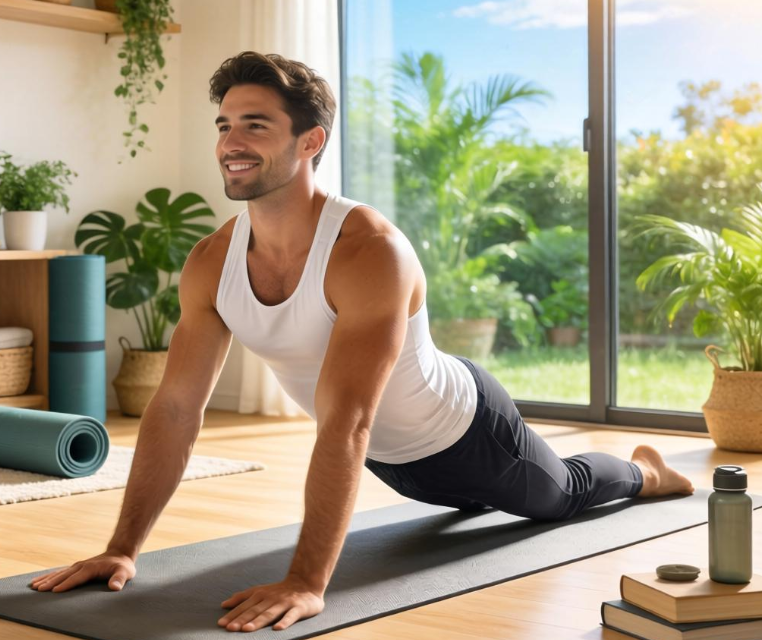
Creating a sustainable core training program requires a balance between consistency, variety, and progression. It’s not about doing the same exercises every day; rather, it’s about challenging the body in new ways to promote growth and adaptability. A well-rounded routine should include both static holds (like planks) and dynamic movements (such as Russian twists or mountain climbers), ensuring that the core muscles are engaged in different planes of motion.
Moreover, incorporating breath control and mindfulness into core exercises can enhance their effectiveness. When done correctly, core workouts become more than just physical tasks—they transform into meditative practices that foster body awareness and mental focus.
Conclusion
Core strength fitness training is far more than a trend—it is a vital aspect of holistic health and performance. Whether you're an athlete aiming to elevate your game, a professional looking to reduce workplace-related strain, or someone simply seeking a stronger, more resilient body, investing in core development offers undeniable returns. By understanding the science behind core function and applying practical, evidence-based strategies, individuals can unlock new levels of physical capability and long-term well-being. In the end, a strong core isn’t just about looking good—it’s about moving better, feeling better, and living better.
Disclaimer:
1. This article is sourced from the Internet. All content represents the author's personal views only and does not reflect the stance of this website. The author shall be solely responsible for the content.
2. Part of the content on this website is compiled from the Internet. This website shall not be liable for any civil disputes, administrative penalties, or other losses arising from improper reprinting or citation.
3. If there is any infringing content or inappropriate material, please contact us to remove it immediately. Contact us at:
