
Archery Strength Training
Archery is a sport that demands not only precision and focus but also a strong foundation of physical strength, particularly in the upper body and core. Effective strength training is essential for archers aiming to improve their performance, reduce injury risk, and achieve greater consistency in their shooting. When integrated thoughtfully into an athlete’s regimen, strength training can significantly enhance power, stability, and endurance on the range.
The Role of Physical Conditioning in Archery
While archery may appear to be a relatively low-impact activity, it places significant demands on the musculature involved in drawing and holding the bow. The act of pulling back the string requires a combination of shoulder, back, and arm strength, while maintaining a steady posture throughout the shot relies heavily on core stability. Without adequate conditioning, even minor fluctuations in form can lead to inconsistencies or increased fatigue, which can negatively impact accuracy over time.
Consider the example of a competitive archer preparing for a major tournament. If they neglect strength training, they might find themselves struggling with the physical strain of repeated shots, especially during long matches or under pressure. In contrast, an archer who regularly engages in targeted strength exercises will likely experience improved control, better posture retention, and a more efficient draw cycle.
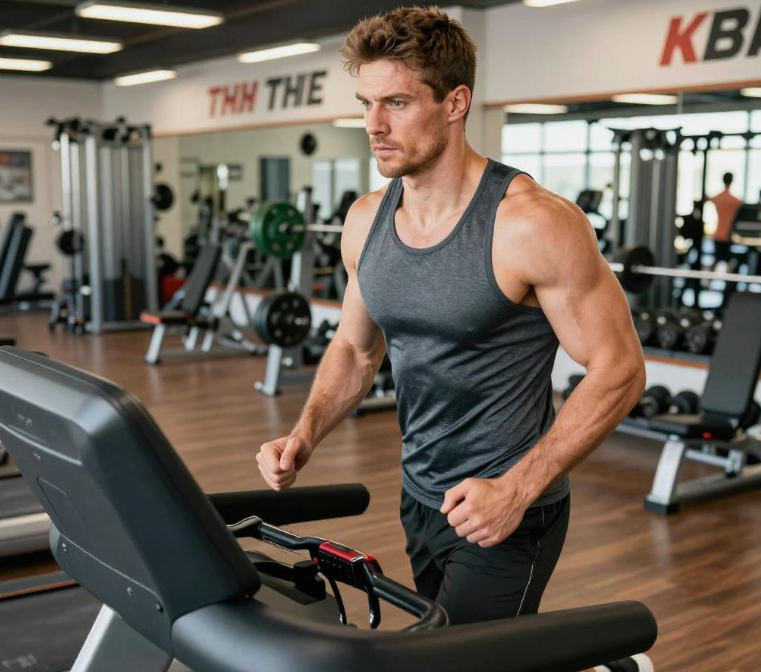
Key Components of an Effective Strength Training Program
A well-rounded strength training program for archers should focus on building functional strength that translates directly to the demands of the sport. This includes exercises that target the latissimus dorsi, trapezius, rhomboids, and quadriceps—muscles that play a critical role in both the draw and the overall stance. Resistance bands, dumbbells, and barbells are commonly used tools in such programs, allowing for a variety of movements that mimic the motions required in archery.
One effective approach is to incorporate compound movements like pull-ups, rows, and squats, which engage multiple muscle groups simultaneously. These exercises not only build strength but also improve coordination and balance, both of which are vital for maintaining proper form. Additionally, isometric holds—such as holding a bow at full draw for a set period—can help develop the specific endurance needed for sustained performance.
Balancing Strength with Technique
Strength training is not a standalone solution; it must be paired with consistent technique refinement. An archer who focuses solely on lifting weights without paying attention to their form may find that their strength does not translate effectively to the range. It's crucial to understand that muscle development should support, not replace, technical skill.
For instance, an archer with strong shoulders but poor alignment may still struggle with accuracy. This highlights the importance of integrating strength training within a broader framework of movement quality. Coaches often emphasize the need for a balanced approach, where physical conditioning complements rather than overshadows the fundamental aspects of archery.

Injury Prevention and Long-Term Performance
Another critical benefit of strength training is its role in injury prevention. Archers are prone to overuse injuries, particularly in the shoulders and lower back, due to the repetitive nature of the sport. Strengthening the supporting muscles around these joints can help reduce strain and prevent common ailments such as rotator cuff issues or lower back pain.
Moreover, a strong physique allows archers to maintain better posture and control throughout a match, reducing the likelihood of compensatory movements that can lead to chronic discomfort. This is especially important for athletes competing at higher levels, where the intensity and duration of events increase the risk of physical wear and tear.
Conclusion
In conclusion, strength training is an indispensable component of any serious archer’s development plan. It enhances power, improves stability, and supports long-term athletic longevity. However, its effectiveness depends on how well it is integrated with technique, flexibility, and overall fitness. By adopting a holistic approach that values both physical and technical growth, archers can unlock their full potential and perform at their best when it matters most.
Disclaimer:
1. This article is sourced from the Internet. All content represents the author's personal views only and does not reflect the stance of this website. The author shall be solely responsible for the content.
2. Part of the content on this website is compiled from the Internet. This website shall not be liable for any civil disputes, administrative penalties, or other losses arising from improper reprinting or citation.
3. If there is any infringing content or inappropriate material, please contact us to remove it immediately. Contact us at:
