
The Social Dynamics of Gym Culture on Social Media
In the digital age, the gym has evolved beyond a mere physical space for exercise into a vibrant platform for social interaction and self-expression. Nowhere is this transformation more evident than in the way people share their fitness journeys on social media, particularly through platforms like WeChat Moments. These posts not only reflect personal achievements but also serve as a window into the broader cultural significance of fitness in modern society.
The Role of Social Media in Shaping Fitness Identity
Social media has become an essential tool for individuals to document and showcase their fitness progress. A post featuring a new workout routine, a before-and-after photo, or a motivational message can quickly gain traction, influencing others and fostering a sense of community. This phenomenon is especially pronounced in China, where the concept of "gym friends" has taken on new dimensions through online engagement. The act of posting at the gym is no longer just about tracking progress; it is a form of identity expression and social validation.
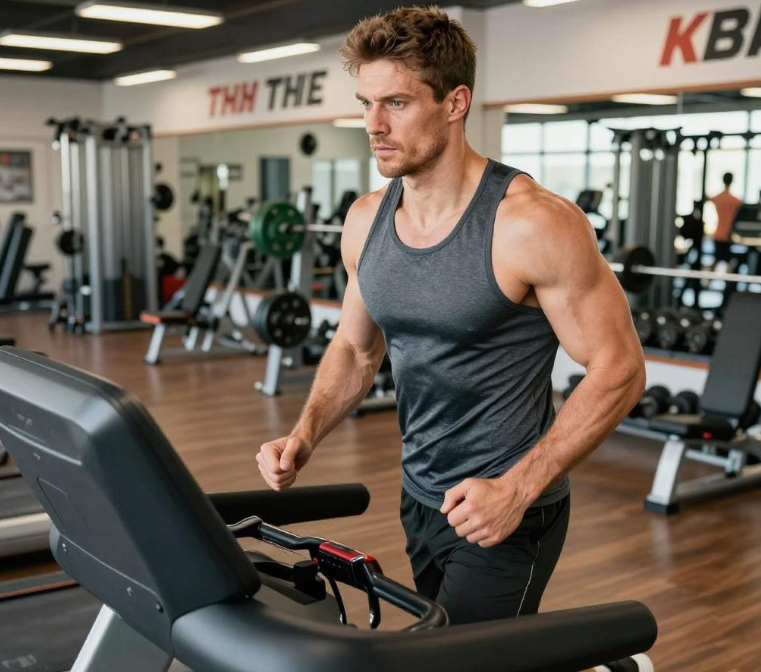
Cultural Context and the Rise of the "Gym Friend"
In Chinese culture, the idea of maintaining a healthy lifestyle often extends beyond individual goals to include social connections. The term "gym friend" encapsulates this dual purpose—both as a companion during workouts and as a source of motivation and support. On social media, these relationships are further reinforced through shared experiences, such as posting group workout photos or exchanging tips on nutrition and training techniques. This creates a feedback loop where online interactions enhance offline participation, making the gym a more inclusive and dynamic environment.
The Psychological Impact of Public Fitness Sharing
Research suggests that sharing fitness milestones publicly can have a profound psychological impact. It can boost self-esteem, encourage accountability, and even reduce feelings of isolation. However, it can also lead to comparison and pressure, particularly when users are exposed to idealized representations of health and fitness. This duality highlights the need for a balanced approach, where individuals use social media as a tool for empowerment rather than a source of anxiety.

Case Study: The Influence of Online Communities on Gym Behavior
A notable example of this dynamic can be seen in the rise of fitness influencers on Chinese social media platforms. These individuals often share detailed workout routines, meal plans, and personal stories, creating a sense of authenticity and relatability. Their followers, many of whom identify as "gym friends," begin to model their own habits after these figures, leading to a ripple effect across the fitness community. This trend underscores how digital interactions can shape real-world behaviors and attitudes toward health.
Navigating the Digital Fitness Landscape
For those looking to engage with the gym culture on social media, it is important to approach it with intentionality. Rather than focusing solely on likes and shares, users should consider how their posts contribute to a positive and supportive environment. This might involve sharing challenges, celebrating small victories, or offering encouragement to others. By doing so, they help create a more meaningful and sustainable connection between the virtual and physical worlds of fitness.
Conclusion: Beyond the Mirror – The Deeper Meaning of Gym Posts
Ultimately, the practice of posting about gym activities on social media is more than just a trend—it is a reflection of how technology has reshaped our relationship with health and community. Whether it’s a simple photo of a lifted weight or a heartfelt message about perseverance, these posts carry the potential to inspire, connect, and transform. In this evolving landscape, the true value of "gym friends" lies not in the number of followers, but in the strength of the bonds formed through shared goals and mutual support.
Disclaimer:
1. This article is sourced from the Internet. All content represents the author's personal views only and does not reflect the stance of this website. The author shall be solely responsible for the content.
2. Part of the content on this website is compiled from the Internet. This website shall not be liable for any civil disputes, administrative penalties, or other losses arising from improper reprinting or citation.
3. If there is any infringing content or inappropriate material, please contact us to remove it immediately. Contact us at:
