
Dumbbell Bench Strength Training
Dumbbell bench training is a highly effective method for building upper body strength, improving muscle tone, and enhancing overall physical fitness. Whether you're a seasoned gym-goer or just starting out, incorporating dumbbells into your bench routine can offer a versatile and efficient way to target multiple muscle groups with precision and control.

The Benefits of Dumbbell Bench Workouts
Using dumbbells on a bench allows for greater range of motion compared to barbell exercises, which can lead to more comprehensive muscle engagement. This form of training also promotes better balance and stability, as each arm works independently, helping to correct muscular imbalances. Additionally, the ability to adjust the weight and angle of the dumbbells makes it accessible for individuals at various fitness levels.
For example, a standard dumbbell bench press targets the chest, shoulders, and triceps, but by changing the angle of the bench—such as inclining or declining—you can shift the focus to different parts of the pectoral muscles. This adaptability is one of the key advantages of using dumbbells in a bench setting.
Technique and Form: The Foundation of Effective Training
Proper technique is crucial when performing dumbbell bench exercises. Starting with a neutral grip and maintaining a slight arch in the back helps keep the shoulder blades stable and reduces the risk of injury. It’s also important to lower the dumbbells slowly and controlled, ensuring that the movement comes from the chest and not from the elbows or wrists.
Many beginners tend to rush through the motion, which can compromise form and limit the effectiveness of the exercise. Taking the time to master the movement pattern ensures that the targeted muscles are being worked correctly and efficiently. Instructors often emphasize the importance of breathing—exhaling during the lifting phase and inhaling during the lowering phase—to maintain proper rhythm and focus.
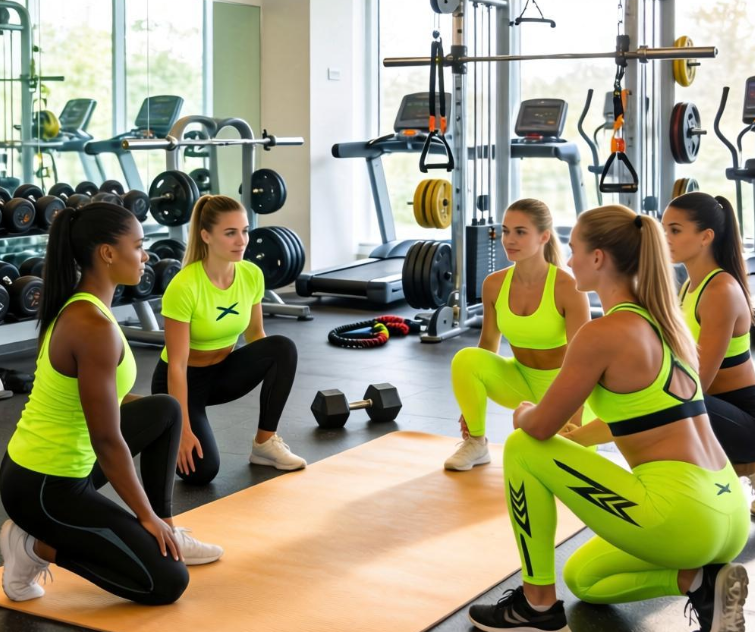
Variations and Progression for Long-Term Growth
To keep the training engaging and effective over time, it's essential to introduce variations and progressions. For instance, alternating between flat, incline, and decline presses can challenge the muscles from different angles. Adding resistance bands or using a stability ball can further enhance core engagement and functional strength.
Another popular variation is the dumbbell fly, which isolates the chest muscles while maintaining a controlled, slow movement. This exercise is particularly beneficial for those looking to build definition and improve chest symmetry. As strength increases, the weight can be gradually increased, or the number of repetitions can be adjusted to continue challenging the body.
Real-World Application and Practical Insights
In real-world scenarios, the benefits of dumbbell bench training extend beyond the gym. Improved upper body strength translates to better performance in daily activities, such as lifting objects, carrying groceries, or even playing sports. Athletes often incorporate dumbbell bench work into their routines to enhance power and endurance, making it a valuable tool for both recreational and competitive individuals.
From a practical standpoint, the convenience of dumbbells—especially when used on a bench—makes them an ideal choice for home workouts. They require minimal space and can be easily adjusted to suit individual needs. Many fitness professionals recommend integrating dumbbell bench exercises into a well-rounded workout plan that includes cardio, flexibility, and other strength training components.
Conclusion
Dumbbell bench strength training offers a powerful and flexible approach to building upper body strength and improving overall fitness. With the right technique, consistent practice, and smart progression, this form of training can yield significant results. Whether you're aiming to increase muscle mass, enhance athletic performance, or simply stay active, dumbbell bench exercises provide a solid foundation for long-term success.
Disclaimer:
1. This article is sourced from the Internet. All content represents the author's personal views only and does not reflect the stance of this website. The author shall be solely responsible for the content.
2. Part of the content on this website is compiled from the Internet. This website shall not be liable for any civil disputes, administrative penalties, or other losses arising from improper reprinting or citation.
3. If there is any infringing content or inappropriate material, please contact us to remove it immediately. Contact us at:
