
Sweating Through Strength Training
Strength training is more than just a routine—it’s a powerful catalyst for transformation, both physically and mentally. Whether you're lifting weights in a gym or engaging in bodyweight exercises at home, the act of pushing your limits through resistance-based movements leads to a unique kind of sweat that speaks volumes about your progress.
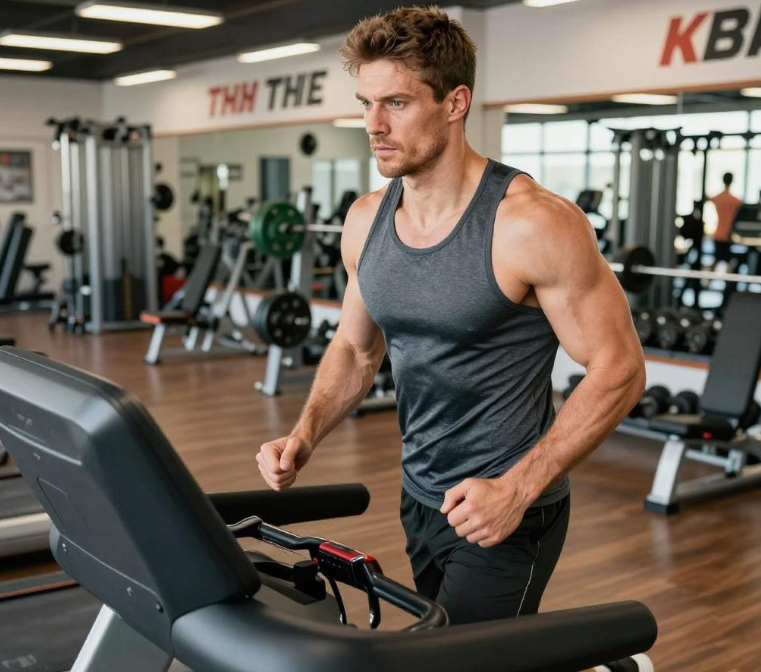
The Science Behind the Sweat
When you engage in strength training, your body undergoes a complex physiological response. Muscles are challenged, heart rate increases, and energy demands rise. This combination triggers the body's cooling mechanism, resulting in perspiration. Unlike the light sweat from a cardio session, the sweat produced during strength training often comes in bursts—intense and purposeful. It's not just a sign of exertion; it's a testament to the body's adaptation process.
Consider the example of a beginner who starts with basic squats and lunges. At first, the effort feels overwhelming, and the sweat is immediate and abundant. Over time, as muscle fibers grow stronger and the body becomes more efficient, the same workout may no longer trigger the same level of perspiration. This shift isn't a loss of intensity—it's a signal of progress.
The Mental and Physical Benefits
Beyond the physical changes, strength training offers profound mental benefits. The release of endorphins during intense workouts can elevate mood and reduce stress. The sweat that accompanies these sessions becomes a symbol of perseverance and discipline. It's a visible marker of the effort put into building resilience, both in the gym and in life.
In professional sports, athletes often describe the sweat from strength training as the "fuel" that powers their performance. Coaches emphasize that this type of sweating isn't just about burning calories—it's about building the foundation for peak physical condition. The same principle applies to everyday individuals seeking to improve their health and confidence.

Real-World Applications
Take the case of a busy executive who integrates strength training into their weekly schedule. Despite a demanding job, they find that the sweat from their workouts helps them stay focused and energized throughout the day. The physical exertion acts as a reset button, allowing them to approach challenges with renewed clarity and determination.
Similarly, a student athlete might use strength training not only to enhance their sport-specific skills but also to manage academic stress. The sweat from the weight room becomes a form of emotional release, helping them maintain balance between school and personal growth.
Conclusion
Sweating through strength training is more than a physical phenomenon—it's a dynamic expression of human potential. It reflects the body's ability to adapt, the mind's capacity to push boundaries, and the spirit's willingness to embrace challenge. Whether you're an elite athlete or someone starting their fitness journey, the sweat you produce during strength training is a meaningful indicator of your commitment and growth. In the end, it's not just about how much you sweat, but what that sweat represents: the pursuit of strength, health, and self-improvement.
Disclaimer:
1. This article is sourced from the Internet. All content represents the author's personal views only and does not reflect the stance of this website. The author shall be solely responsible for the content.
2. Part of the content on this website is compiled from the Internet. This website shall not be liable for any civil disputes, administrative penalties, or other losses arising from improper reprinting or citation.
3. If there is any infringing content or inappropriate material, please contact us to remove it immediately. Contact us at:
