
Flexibility Training: The Foundation of Physical Performance
Flexibility training is often overlooked, yet it plays a critical role in overall physical health and performance. Whether you're an athlete, a desk worker, or someone simply looking to improve daily mobility, incorporating flexibility exercises into your routine can yield significant long-term benefits. It's not just about being able to touch your toes—it's about enhancing movement efficiency, reducing injury risk, and improving recovery times.

The Science Behind Flexibility
At its core, flexibility refers to the range of motion around a joint. This range is influenced by factors such as muscle length, joint structure, and neural control. Regular stretching helps maintain or increase this range by gradually elongating muscles and connective tissues. However, flexibility isn't a static trait; it's something that requires consistent attention and practice. Think of it like a muscle—without use, it weakens, and without training, it doesn’t grow.
Incorporating dynamic and static stretches into your routine can lead to measurable improvements in joint mobility. For instance, a runner who regularly performs hip flexor stretches may find their stride becomes more efficient, while a weightlifter might experience greater stability during complex lifts. These changes aren't just anecdotal—they're supported by research showing that improved flexibility correlates with better functional outcomes.
Practical Applications and Real-World Benefits
Take the example of a yoga practitioner. While they may focus on postures for balance and strength, the underlying goal is often to enhance body awareness and flexibility. Over time, this leads to better posture, reduced muscle tension, and even mental clarity. Similarly, office workers who spend long hours seated can benefit from simple stretches that counteract the stiffness caused by prolonged sitting.
But flexibility training isn't limited to specific groups. Consider a construction worker who needs to lift heavy objects regularly. If their spine and hips are stiff, they’re at a higher risk of strain or injury. By integrating regular stretching into their daily routine, they can significantly reduce this risk and improve their ability to perform tasks with greater ease.
Common Misconceptions and Myths
One of the biggest misconceptions about flexibility is that it's only relevant for certain types of people or activities. In reality, everyone can benefit from some form of flexibility work. Another common myth is that you need to be "flexible" before you can start stretching. This is false—stretching itself is the way to become more flexible. It's also important to note that flexibility should be approached gradually and mindfully. Pushing too hard too fast can lead to overstretching or injury.
There's also a tendency to confuse flexibility with mobility. While related, they are distinct concepts. Flexibility focuses on the length of muscles, while mobility involves the ability of joints to move through their full range of motion with control. A well-rounded fitness program should address both aspects.
How to Start Your Flexibility Journey
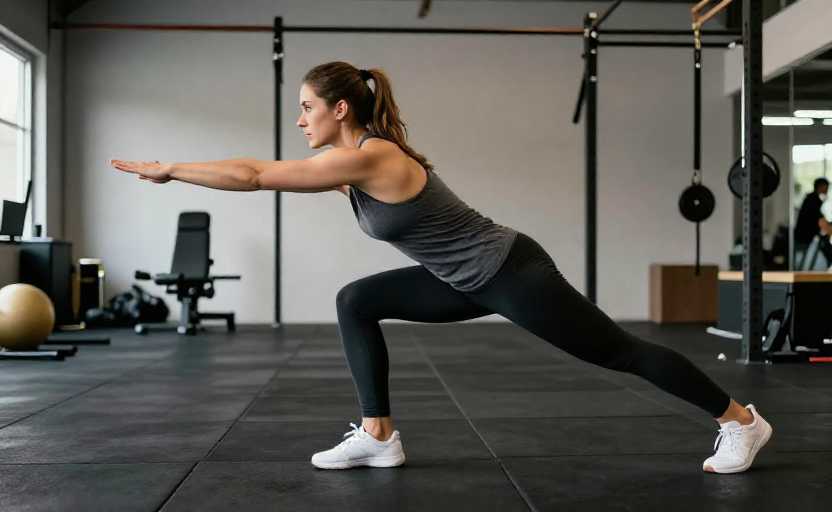
Starting a flexibility routine doesn't require special equipment or expertise. Begin with a few minutes each day dedicated to gentle stretching. Focus on major muscle groups such as the hamstrings, shoulders, and hips. Use props like resistance bands or yoga blocks if needed, but don’t let them replace proper form.
A good rule of thumb is to stretch when your muscles are warm, such as after a light workout or a warm shower. Hold each stretch for 20–30 seconds, breathing deeply and avoiding any sharp pain. Consistency is key—aim for regular practice rather than occasional intense sessions.
Conclusion
Flexibility training is more than a trend—it's a fundamental component of physical wellness. It supports movement efficiency, prevents injury, and enhances overall quality of life. Whether you're aiming to improve athletic performance or simply feel more comfortable in your body, making flexibility a priority can have lasting effects. The journey starts with small, mindful steps, and the rewards are well worth the effort.
Disclaimer:
1. This article is sourced from the Internet. All content represents the author's personal views only and does not reflect the stance of this website. The author shall be solely responsible for the content.
2. Part of the content on this website is compiled from the Internet. This website shall not be liable for any civil disputes, administrative penalties, or other losses arising from improper reprinting or citation.
3. If there is any infringing content or inappropriate material, please contact us to remove it immediately. Contact us at:
