
Should Beginners Start with Aerobic or Anaerobic Exercise? A Guide for Women
For women new to the fitness world, the question of whether to begin with aerobic or anaerobic exercise often sparks debate. The answer, however, is not one-size-fits-all—it depends on individual goals, physical condition, and long-term aspirations. While both forms of exercise offer unique benefits, understanding their roles can help set a strong foundation for a sustainable fitness journey.
Understanding the Basics: What Are Aerobic and Anaerobic Exercises?
Aerobic exercise, commonly referred to as cardio, involves continuous, rhythmic movements that elevate the heart rate and improve oxygen delivery throughout the body. Activities like running, cycling, swimming, and brisk walking fall into this category. These exercises are excellent for building cardiovascular endurance, burning calories, and enhancing overall stamina.
On the other hand, anaerobic exercise focuses on short bursts of intense activity that push the body beyond its regular capacity, such as weightlifting, sprinting, and high-intensity interval training (HIIT). This type of workout targets muscle strength, power, and fat loss, while also boosting metabolism.
Setting the Foundation: Why Starting Point Matters
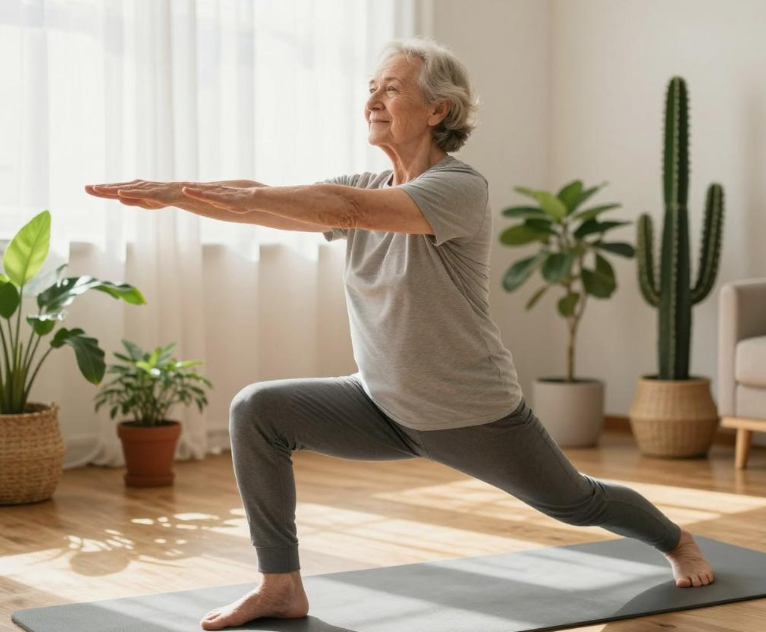
For beginners, especially women who may be new to structured workouts, starting with aerobic exercise can provide a gentle introduction to physical activity. It helps build a base level of fitness, improves heart health, and increases lung capacity without placing excessive strain on the body. Many find that this initial phase helps them develop consistency and confidence in their routine.
However, skipping anaerobic exercises entirely can limit potential gains. Strength training, even at a basic level, contributes to muscle development, which in turn supports better posture, joint stability, and metabolic efficiency. Think of it as building a house—while the foundation (aerobic) is essential, the structure (anaerobic) ensures durability and function.
Tailoring the Approach: Personal Goals and Preferences
The decision between aerobic and anaerobic exercise should ultimately align with personal objectives. If weight loss is the primary goal, a combination of both types of exercise is ideal. Cardio burns calories efficiently, while strength training increases lean muscle mass, which enhances calorie burn even at rest.
For those aiming to build strength or improve athletic performance, starting with anaerobic exercises might be more beneficial. However, it’s important to gradually introduce these activities to avoid injury and ensure proper form. A woman who has never lifted weights before may benefit from beginning with bodyweight exercises like squats, lunges, and planks before progressing to heavier resistance.

Real-World Scenarios: How to Begin
Consider a beginner who wants to lose weight and feel more energetic. She could start with 30 minutes of moderate-intensity cardio three times a week, such as walking or cycling. As her endurance improves, she might incorporate two days of strength training, focusing on major muscle groups. Over time, she could blend both types of workouts into a balanced routine, perhaps by adding HIIT sessions that combine intervals of high-intensity effort with recovery periods.
Another scenario involves someone interested in improving sports performance or building muscle tone. In this case, starting with strength training would make sense, but incorporating some low-impact aerobic activities like yoga or swimming could support recovery and flexibility.
Balancing the Two: The Power of Integration
Rather than viewing aerobic and anaerobic exercises as separate entities, many fitness professionals advocate for an integrated approach. This method allows individuals to reap the benefits of both types of training without overemphasizing one at the expense of the other. For example, a well-rounded routine might include a mix of cardio sessions, strength training, and flexibility work, ensuring comprehensive physical development.
Moreover, varying the type of exercise keeps the routine engaging and reduces the risk of plateaus or burnout. It also helps prevent overuse injuries, which can occur when the same muscles are repeatedly targeted without adequate rest or cross-training.
Final Thoughts: Embrace the Journey
Whether you're a complete beginner or have dabbled in fitness before, the key is to start where you are and progress at a pace that feels right. There is no universal answer to the question of aerobic versus anaerobic exercise—what works for one person may not suit another. The most important thing is to stay consistent, listen to your body, and remain open to adjusting your routine as needed.
In the end, the best way to begin is not about choosing one over the other, but about finding a balance that supports your goals, fits your lifestyle, and brings you joy. After all, fitness is not just about reaching a destination—it's about enjoying the journey along the way.
Disclaimer:
1. This article is sourced from the Internet. All content represents the author's personal views only and does not reflect the stance of this website. The author shall be solely responsible for the content.
2. Part of the content on this website is compiled from the Internet. This website shall not be liable for any civil disputes, administrative penalties, or other losses arising from improper reprinting or citation.
3. If there is any infringing content or inappropriate material, please contact us to remove it immediately. Contact us at:
