
Dance Students' Flexibility Training
Flexibility is a cornerstone of a dancer’s physical development, serving as the foundation for both technical precision and artistic expression. For dance students, consistent and targeted flexibility training is not merely a routine—it is an essential discipline that shapes their ability to perform with grace, power, and control.

The Importance of Flexibility in Dance
In the world of dance, flexibility is more than just the ability to stretch further or achieve a higher kick. It is about enhancing range of motion, reducing injury risk, and enabling the body to move with fluidity and ease. A flexible dancer can execute complex movements with greater efficiency, allowing them to focus more on the artistry of their performance rather than the mechanics of their body. This is especially true in styles like ballet, where turnout and extension are critical components of technique.
Consider a young ballet student practicing grand jetés. Without adequate hip and hamstring flexibility, the movement may lack the height and control needed to appear seamless. With proper training, however, the same dancer can transform that movement into a powerful, elegant display of strength and artistry.
Key Principles of Effective Flexibility Training
Effective flexibility training is not about pushing the body to its limits in one session but about building gradual, sustainable progress. One of the most important principles is consistency. Dancers who commit to daily stretching routines often see marked improvements in their flexibility over time. This is because the body adapts to regular stimuli, increasing its capacity for movement.
Another key principle is the balance between active and passive stretching. Active stretching involves using the muscles to hold a position, while passive stretching relies on external assistance—such as a partner or a prop. Both methods have their place in a well-rounded training regimen. For example, a contemporary dancer might use active stretching to improve core engagement during floor work, while a classical ballerina might benefit from passive stretching to deepen her turnout.
Practical Techniques and Real-World Applications
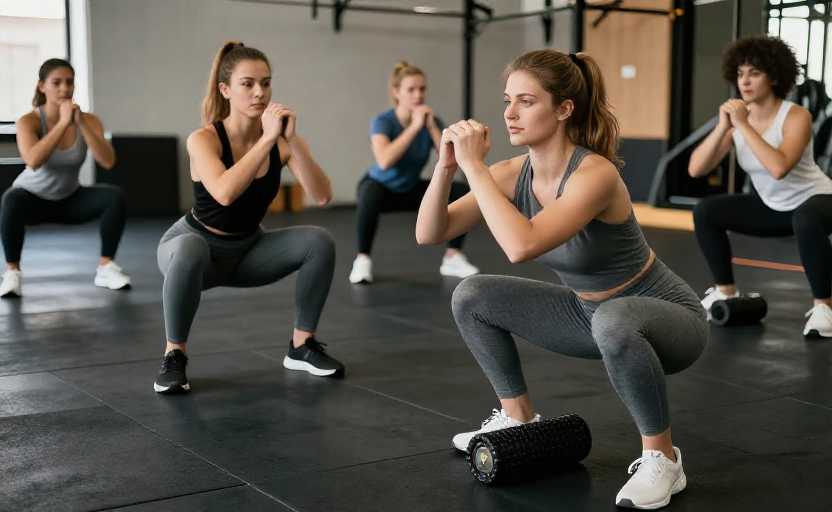
In practice, flexibility training often involves a combination of static stretching, dynamic warm-ups, and proprioceptive neuromuscular facilitation (PNF) techniques. Static stretching, where a position is held for 20–30 seconds, is ideal for increasing overall flexibility. Dynamic warm-ups, such as leg swings or arm circles, prepare the body for movement by increasing blood flow and activating the nervous system.
A real-world example of this approach can be seen in a modern dance class where students begin with a series of gentle, flowing movements to activate their muscles before moving into more intense stretches. This method not only prevents injury but also enhances performance quality.
Challenges and Common Misconceptions
Despite its importance, flexibility training is often overlooked or undervalued by some dancers, particularly those focused on strength or speed. There is a common misconception that flexibility is innate and cannot be improved. However, research and practical experience show that with the right approach, even the most rigid bodies can become more supple over time.
Another challenge is the tendency to push too hard too soon. Overstretching can lead to muscle strain or joint instability, which can derail a dancer’s progress. It is crucial to listen to the body and recognize when a stretch is uncomfortable rather than just challenging.
Personal Insights and Industry Experience
From years of working with dance students, it's clear that flexibility training requires patience and mindfulness. One of the most rewarding moments comes when a student finally achieves a long-sought-after stretch, not because they forced it, but because they built up to it through dedicated practice. This kind of breakthrough reinforces the value of persistence and the rewards of a well-structured training program.
Moreover, flexibility training is not just about the physical aspect—it also builds mental resilience. The discipline required to maintain a regular stretching routine mirrors the dedication needed in all areas of dance training. It teaches students to be present, to respect their bodies, and to approach their craft with care and intention.
Conclusion
For dance students, flexibility training is a vital component of their development, shaping not only their physical capabilities but also their confidence and artistic expression. By embracing a balanced, consistent, and mindful approach, dancers can unlock new levels of performance and longevity in their careers. In the end, flexibility is not just a skill—it is a language of movement that every dancer must learn to speak fluently.
Disclaimer:
1. This article is sourced from the Internet. All content represents the author's personal views only and does not reflect the stance of this website. The author shall be solely responsible for the content.
2. Part of the content on this website is compiled from the Internet. This website shall not be liable for any civil disputes, administrative penalties, or other losses arising from improper reprinting or citation.
3. If there is any infringing content or inappropriate material, please contact us to remove it immediately. Contact us at:
