
Post-Workout Nutrition: The Key to Maximizing Gains
The importance of post-workout nutrition cannot be overstated in the pursuit of optimal physical performance and muscle development. Whether you're a seasoned athlete or just starting out, what you consume after a strength training session plays a critical role in recovery, muscle repair, and overall progress. This article explores the science behind post-exercise nutrition, its practical applications, and how it can be tailored to individual goals.
Understanding the Anabolic Window
For years, the concept of the "anabolic window" has been a hot topic in fitness circles. This refers to the period immediately following exercise when the body is particularly receptive to nutrients, especially protein and carbohydrates. While the exact duration of this window remains debated, the underlying principle holds true: fueling your body properly after a workout enhances recovery and supports muscle growth.
Think of your muscles as a construction site after a storm. They need the right materials—protein for rebuilding, carbs for energy, and fluids for maintaining function—to get back to full strength quickly. Delaying this process can slow down progress and leave you feeling sluggish.
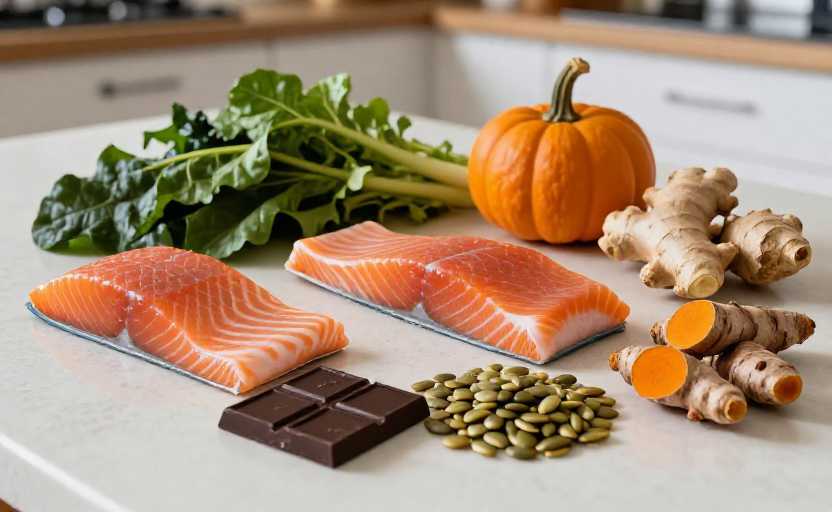
The Role of Protein in Recovery
Protein is the cornerstone of post-workout nutrition. It provides the amino acids necessary for repairing and building muscle tissue damaged during resistance training. Research consistently shows that consuming a high-quality protein source within 30 to 60 minutes after a workout can significantly improve muscle protein synthesis.
But not all proteins are created equal. Whey protein, for example, is rapidly absorbed and rich in branched-chain amino acids (BCAAs), making it an excellent choice for immediate recovery. Casein, on the other hand, digests more slowly and may be better suited for longer-term support, such as overnight recovery.
Carbohydrates: More Than Just Fuel
While protein often takes center stage, carbohydrates should not be overlooked. They help replenish glycogen stores depleted during intense training and signal the body to absorb protein more efficiently. This makes them an essential part of the post-workout meal, especially for those engaged in frequent or high-intensity training.
Consider a real-world scenario: a powerlifter who trains multiple times a week needs sustained energy to maintain performance levels. A balanced post-workout meal with both protein and carbohydrates ensures they’re ready for their next session without burning out.

Hydration and Electrolytes
Dehydration can severely impact recovery and performance, yet it's often underestimated. During strength training, the body loses fluids through sweat, and electrolytes like sodium, potassium, and magnesium are also lost. Replenishing these is crucial for maintaining proper muscle function and preventing cramps or fatigue.
A simple strategy is to drink water alongside an electrolyte-rich beverage or food. For instance, a banana offers potassium, while a sports drink can provide a quick boost of sodium and other minerals. Staying hydrated isn’t just about quenching thirst—it’s about supporting every aspect of your recovery process.
Personalization: One Size Doesn’t Fit All
What works for one person might not work for another. Factors like training intensity, body composition, and dietary preferences all influence the ideal post-workout nutrition plan. For someone focused on weight loss, a lower-carb, higher-protein approach may be more effective. Conversely, an endurance athlete might benefit from a higher carbohydrate intake to sustain energy levels.
This is where personal experience and experimentation come into play. Many athletes track their meals and note how different combinations affect their energy, mood, and performance. Over time, they develop a sense of what their body needs, leading to more sustainable and effective results.
Practical Tips for Effective Post-Workout Nutrition
1. Prioritize Quality Over Quantity: Choose whole foods whenever possible, such as lean meats, eggs, fruits, and vegetables, rather than relying on processed options.
2. Time Your Meals Strategically: Aim to eat within an hour of finishing your workout, but don’t stress if it takes a bit longer—your body still benefits.
3. Keep It Simple: A smoothie with whey protein, banana, and almond butter can be a quick and effective option.
4. Listen to Your Body: Pay attention to how you feel after eating. If you’re bloated or sluggish, adjust your choices accordingly.
Conclusion
In the world of strength training, recovery is just as important as the workout itself. Post-workout nutrition serves as the bridge between effort and results, ensuring that every rep counts. By understanding the science, tailoring your approach, and staying consistent, you can unlock your full potential and achieve long-term success. Remember, the goal isn’t just to train harder—it’s to train smarter, and that starts with what you eat after you lift.
Disclaimer:
1. This article is sourced from the Internet. All content represents the author's personal views only and does not reflect the stance of this website. The author shall be solely responsible for the content.
2. Part of the content on this website is compiled from the Internet. This website shall not be liable for any civil disputes, administrative penalties, or other losses arising from improper reprinting or citation.
3. If there is any infringing content or inappropriate material, please contact us to remove it immediately. Contact us at:
