
Key Considerations for Home Workout Safety and Effectiveness
Home workouts have become increasingly popular, offering convenience and flexibility for individuals seeking to maintain physical fitness without the need for a gym membership. However, the lack of professional supervision and structured environments can lead to improper techniques, increased risk of injury, and suboptimal results. To ensure a safe and effective home exercise routine, it is essential to understand and apply several key principles.
Understanding Your Body’s Limits
Before diving into any workout regimen, it is crucial to assess your current fitness level and physical capabilities. Many people underestimate their limitations, leading to overexertion or incorrect form. For instance, someone with a history of knee problems may find high-impact exercises like jumping jacks or squats risky without proper modifications. A simple self-assessment—such as checking your heart rate, evaluating mobility, or consulting a healthcare professional—can provide valuable insights. Think of your body as a machine; just as you wouldn’t push a car beyond its capacity, you shouldn’t push your body beyond its current limits.

Proper Equipment and Space Setup
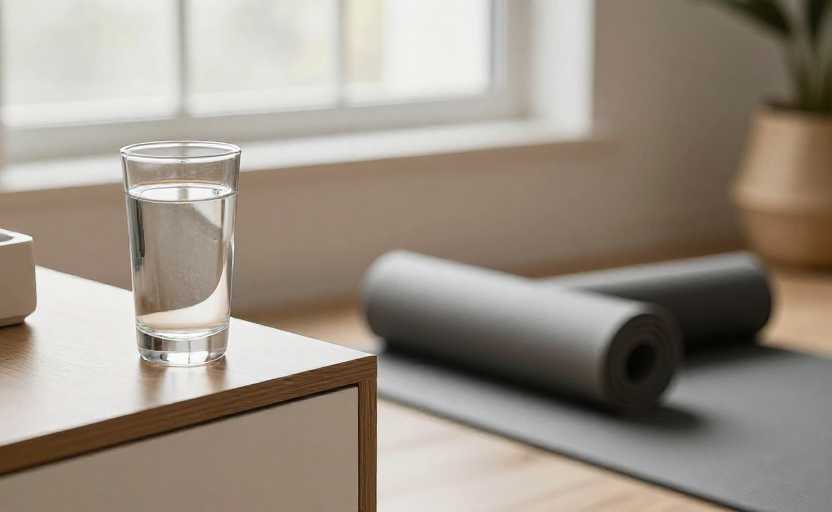
A well-organized space is the foundation of an effective home workout. Ensure that the area you choose is clear of obstacles and provides enough room for movement. Investing in basic equipment such as resistance bands, dumbbells, or a yoga mat can enhance the variety and effectiveness of your routines. However, even with minimal tools, a focused and consistent approach can yield significant benefits. Imagine setting up a small studio in your living room—just as a painter needs a dedicated space to create, so too does a fitness enthusiast require a designated area to train.
Maintaining Correct Form and Technique
One of the most common pitfalls in home workouts is poor form, which can lead to injuries and diminish the effectiveness of the exercises. Without a trainer to correct posture or suggest adjustments, it's easy to fall into bad habits. For example, performing a deadlift with rounded back instead of a straight spine can strain the lower back. Online tutorials and video demonstrations can be helpful, but they should not replace personal awareness. It’s like learning to play an instrument from a video—while it can guide you, it cannot replace the feel of the strings or the sound of the notes.
Consistency and Progression
Consistency is the cornerstone of any successful fitness journey. However, consistency alone is not enough—progression is equally important. As your body adapts, you must gradually increase the intensity, duration, or complexity of your workouts. This could mean adding more weight, extending workout time, or incorporating new exercises. The key is to challenge yourself while staying within your limits. It’s similar to climbing a mountain: you don’t reach the summit by standing still, but you also don’t rush if the path is steep.
Listening to Your Body and Adjusting Accordingly
Pain is not always a sign of progress—it can be a warning signal. If an exercise causes discomfort, it’s wise to stop and reassess. Listening to your body means recognizing when rest is needed or when a different approach might be better. For instance, if you experience persistent shoulder pain during push-ups, consider switching to wall push-ups or using a stability ball for support. Your body is a reliable guide—if it sends signals, it’s worth paying attention to.
Creating a Balanced Routine
A well-rounded home workout should include elements of strength training, cardiovascular exercise, and flexibility work. Relying on a single type of activity may lead to imbalances or overuse injuries. For example, focusing only on weightlifting without stretching can result in tight muscles and reduced range of motion. A balanced routine ensures that all aspects of fitness are addressed, much like a meal that includes a variety of nutrients for optimal health.
Staying Motivated and Engaged
Maintaining motivation can be challenging, especially when working out alone. Setting clear goals, tracking progress, and varying your routine can help keep things interesting. Whether it’s aiming for a 5K run or simply improving daily energy levels, having a purpose can make the effort feel more rewarding. Additionally, finding ways to stay engaged—whether through music, virtual classes, or accountability partners—can make the process more enjoyable and sustainable.
In summary, home workouts offer a flexible and accessible way to stay fit, but they require thoughtful planning and mindful execution. By understanding your body, maintaining proper form, and staying consistent, you can achieve meaningful results while minimizing the risk of injury. Fitness is not about perfection—it’s about progress, adaptation, and making informed choices that align with your goals and well-being.
Disclaimer:
1. This article is sourced from the Internet. All content represents the author's personal views only and does not reflect the stance of this website. The author shall be solely responsible for the content.
2. Part of the content on this website is compiled from the Internet. This website shall not be liable for any civil disputes, administrative penalties, or other losses arising from improper reprinting or citation.
3. If there is any infringing content or inappropriate material, please contact us to remove it immediately. Contact us at:
