
Lighting Tips for Home Fitness Influencers: A Comprehensive Guide
Creating high-quality video content as a home fitness influencer requires more than just a good workout plan—it also demands thoughtful lighting. Proper lighting not only enhances the visual appeal of your videos but also ensures that your audience can clearly see your form, expressions, and movements, which is essential for effective instruction and engagement.
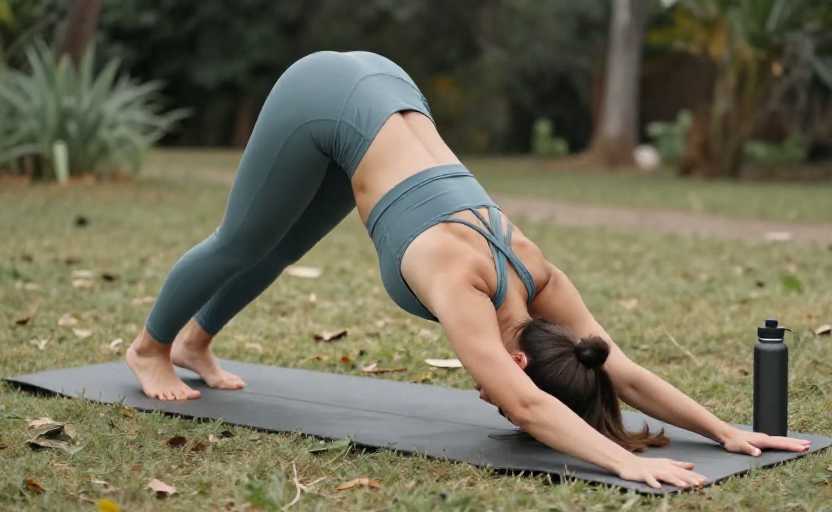
The Importance of Lighting in Home Fitness Content
In the world of online fitness, visuals are everything. A well-lit video can make the difference between a viewer scrolling past your content and staying to learn from you. Poor lighting can obscure details, create unflattering shadows, or even make your face look washed out. On the other hand, good lighting can elevate your production value, making your brand feel more professional and trustworthy. Whether you're filming a short Instagram Reel or a full-length YouTube tutorial, lighting should be a top priority.
Understanding Light Sources and Their Effects
Natural light is often the best option for home workouts. Morning or late afternoon sunlight streaming through a window can provide soft, flattering illumination. However, natural light isn’t always reliable—cloudy days, time constraints, or lack of proper windows can limit its effectiveness. In such cases, artificial lighting becomes essential.
LED panels and ring lights are popular choices among content creators because they offer consistent, adjustable brightness and color temperature. These tools allow you to control how your skin tones appear, whether you want a warm or cool tone, and how much detail is visible in the background. For example, using a key light positioned slightly above and to the side of your face can create a dynamic, three-dimensional look, while a fill light helps reduce harsh shadows.

Setting Up Your Lighting Environment
When setting up your home studio, consider the layout of your space. Position your main light source so that it illuminates your face and body without casting harsh shadows on the background. A common setup involves placing the light at a 45-degree angle from the camera, which helps highlight facial features and muscle definition. If you're using multiple lights, balance them carefully to avoid over-illumination or under-exposure.
Another practical tip is to use reflectors or white boards to bounce light back onto your face. This technique can add depth and dimension without requiring additional equipment. Additionally, avoid placing lights behind you, as this can create a silhouette effect and make it difficult for viewers to see your movements clearly.
Practical Scenarios and Real-World Applications
Imagine you’re filming a yoga session in your living room. The sun is low, and the room feels dim. Without proper lighting, your audience might struggle to follow your poses. By adding a softbox light in front of you, you can ensure that every movement is visible and that your expression remains clear. Similarly, if you're doing a strength training routine in a basement with no windows, a combination of LED strips and a ring light can transform the space into a functional studio.
For those who frequently film outdoors, portable lighting solutions like battery-powered LED panels can be a game-changer. These tools allow you to maintain consistency across different environments, ensuring that your brand image stays cohesive.
Personal Insights and Industry Experience
From years of working with home fitness influencers, one thing becomes clear: lighting is not just about visibility—it's about storytelling. The right lighting can set the mood, highlight your energy, and create a connection with your audience. It’s not uncommon to see creators invest in basic lighting setups early in their careers, knowing that quality visuals are a cornerstone of long-term success.
Many professionals also emphasize the importance of experimenting with different lighting configurations. What works for a high-energy HIIT session may not suit a slow-paced Pilates video. Understanding how light interacts with your environment and your body can help you tailor each video to its specific purpose.
Conclusion
In the competitive landscape of online fitness, lighting is a critical component that can significantly impact your content’s effectiveness and audience retention. By investing time and effort into mastering lighting techniques, home fitness influencers can elevate their production quality, enhance viewer engagement, and build a stronger, more professional brand. Whether you're starting out or looking to refine your current setup, a thoughtful approach to lighting will pay dividends in the long run.
Disclaimer:
1. This article is sourced from the Internet. All content represents the author's personal views only and does not reflect the stance of this website. The author shall be solely responsible for the content.
2. Part of the content on this website is compiled from the Internet. This website shall not be liable for any civil disputes, administrative penalties, or other losses arising from improper reprinting or citation.
3. If there is any infringing content or inappropriate material, please contact us to remove it immediately. Contact us at:
