
What Are the Flexibility Training Exercises?
Flexibility training is a fundamental component of any well-rounded fitness routine, offering benefits that extend beyond mere physical movement. It enhances range of motion, reduces the risk of injury, and supports overall musculoskeletal health. Whether you are an athlete, a desk worker, or someone simply looking to improve daily mobility, incorporating flexibility exercises into your regimen can yield significant long-term rewards.
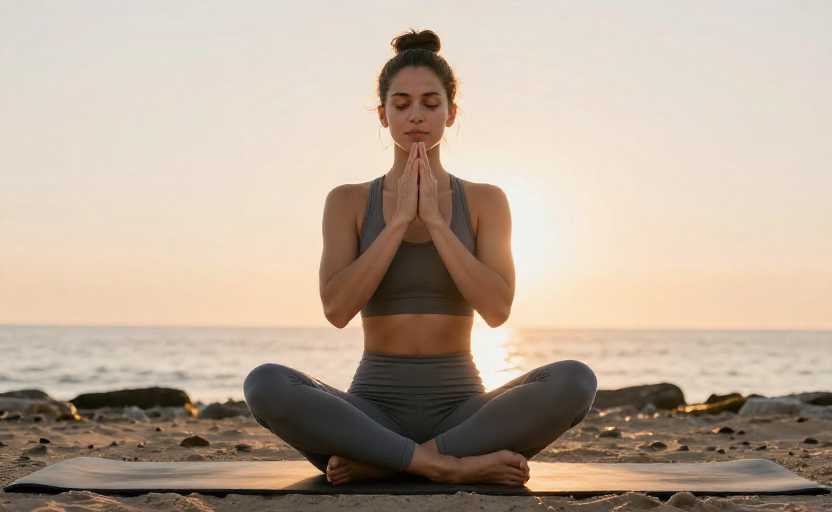
The Importance of Flexibility in Daily Life
In today’s fast-paced world, many people spend long hours sitting, which can lead to tightness in key muscle groups such as the hips, hamstrings, and shoulders. This stiffness not only limits movement but can also contribute to chronic pain and poor posture. Flexibility training helps counteract these effects by promoting better alignment, improving circulation, and increasing body awareness. Imagine trying to tie your shoes or reach for something on a high shelf—each of these everyday tasks becomes easier with improved flexibility.
Common Flexibility Exercises and Their Benefits
There are numerous types of flexibility exercises, each targeting different parts of the body and offering unique advantages. Dynamic stretches, for instance, involve controlled movements that mimic the actions you’ll perform during a workout or activity. These are ideal for warming up before exercise, as they help increase blood flow and prepare muscles for more intense work. A simple example might be leg swings or arm circles, which gently engage the joints and surrounding tissues.
Static stretching, on the other hand, involves holding a position for a period of time—usually 15 to 30 seconds—to lengthen muscles. This type of stretch is best done after a workout when the body is already warmed up. The hamstring stretch, where you sit on the floor with one leg extended and reach toward your toes, is a classic example. It not only improves flexibility in the back of the legs but also encourages better posture and spinal alignment.
Yoga and Pilates are two popular practices that combine flexibility with strength and mindfulness. Yoga, in particular, offers a wide range of poses that target various muscle groups while promoting mental relaxation. The downward dog pose, for instance, stretches the hamstrings, calves, and shoulders, while also engaging the core. Pilates focuses more on controlled movements and core stability, making it an excellent choice for those seeking both flexibility and strength.

Incorporating Flexibility into Your Routine
Integrating flexibility exercises into your daily routine doesn’t have to be time-consuming or complicated. Even just five to ten minutes of stretching each day can make a noticeable difference over time. Many people find it helpful to pair stretching with other activities, such as morning routines or post-workout cooldowns. For instance, after a run or a gym session, taking a few minutes to stretch the major muscle groups can aid recovery and reduce soreness.
Another effective strategy is to use props like resistance bands or foam rollers. These tools can help deepen stretches and provide additional support, especially for individuals with limited mobility or specific physical limitations. A resistance band, for example, can assist in performing a seated forward fold, allowing for a more gradual and comfortable stretch.
The Role of Consistency and Patience
It’s important to remember that flexibility improvements don’t happen overnight. Like any form of physical training, consistency is key. Regular practice—whether through yoga, stretching, or other methods—will gradually enhance your range of motion and overall body function. Some days may feel more challenging than others, but pushing through discomfort with proper form and technique can lead to meaningful progress.
Moreover, listening to your body is crucial. Overstretching or forcing movements can lead to injury, so it’s essential to respect your limits and adjust exercises accordingly. If a stretch feels painful rather than comfortable, it’s a sign to ease off or try a different variation.
Conclusion
Flexibility training is more than just a way to improve physical performance—it’s a vital part of maintaining a healthy, functional body. By understanding the different types of exercises available and how they benefit the body, individuals can create a personalized routine that suits their lifestyle and goals. Whether you’re aiming to prevent injury, enhance athletic ability, or simply move more comfortably through daily life, the right flexibility practices can make all the difference. The key lies in starting small, staying consistent, and embracing the journey toward greater mobility and well-being.
Disclaimer:
1. This article is sourced from the Internet. All content represents the author's personal views only and does not reflect the stance of this website. The author shall be solely responsible for the content.
2. Part of the content on this website is compiled from the Internet. This website shall not be liable for any civil disputes, administrative penalties, or other losses arising from improper reprinting or citation.
3. If there is any infringing content or inappropriate material, please contact us to remove it immediately. Contact us at:
