
The Importance of Flexibility Training and Practice
Flexibility training is more than just a routine exercise; it is a critical component of physical health, performance enhancement, and injury prevention. Whether you are an athlete, a desk worker, or someone who simply wants to maintain an active lifestyle, incorporating regular flexibility work into your daily regimen can yield significant long-term benefits.
Understanding Flexibility and Its Role in Physical Health
At its core, flexibility refers to the range of motion available at a joint. It is not solely about being able to touch your toes or perform a split—it’s about maintaining the body’s ability to move freely and efficiently. Over time, sedentary habits, repetitive movements, and poor posture can lead to muscle tightness, reduced mobility, and increased risk of injury. This is where targeted flexibility training becomes essential.
Consider the analogy of a well-oiled machine: if the parts are stiff and unresponsive, the entire system suffers. Similarly, when muscles and joints are tight, they hinder movement, reduce power output, and create imbalances that can affect overall performance. Regular stretching and mobility work act as the lubricant, ensuring smooth and efficient function.

The Benefits Beyond the Surface
While many people associate flexibility training with yoga or Pilates, its advantages extend far beyond these practices. Improved flexibility can enhance athletic performance by allowing for greater force production and better joint alignment during movement. For office workers, it can alleviate stiffness and discomfort caused by prolonged sitting. Even for the elderly, maintaining flexibility helps preserve independence and reduces the likelihood of falls.
Moreover, flexibility training can have a positive impact on mental well-being. The slow, deliberate movements involved in stretching often promote mindfulness, helping individuals become more aware of their bodies and reducing stress. It serves as a bridge between physical activity and mental relaxation.
Practical Approaches to Effective Flexibility Training
There is no one-size-fits-all approach to flexibility training. What works for a marathon runner may not suit a weightlifter, and what benefits a dancer might not be ideal for a construction worker. The key is to tailor the practice to individual needs, goals, and physical conditions.
Dynamic stretching—such as leg swings, arm circles, and hip openers—is particularly effective before workouts, as it prepares the body for movement. On the other hand, static stretching—holding a position for 20–30 seconds—is more suitable for post-exercise recovery or as part of a daily routine.
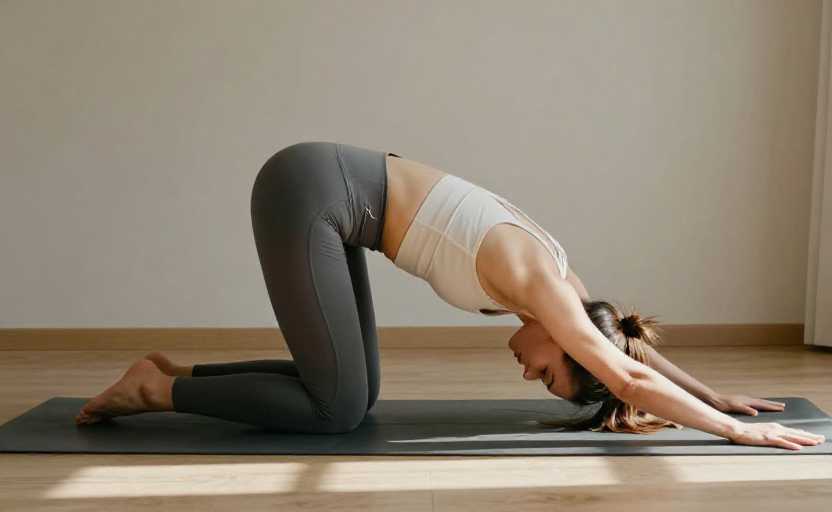
A practical example might involve a yoga enthusiast who integrates a few minutes of foam rolling and deep tissue massage into their routine. This combination not only improves flexibility but also enhances recovery and reduces muscle soreness. Similarly, a martial artist might focus on specific joint rotations and controlled movements to improve agility and prevent injuries.
Common Misconceptions and Myths
One common misconception is that flexibility is purely genetic. While some individuals may naturally possess greater range of motion, consistency and effort can significantly improve flexibility over time. Another myth is that stretching must be painful to be effective. In reality, stretching should be comfortable and controlled, avoiding any sharp or sudden pain.
Additionally, many people believe that flexibility training is only necessary for certain types of athletes. However, even those engaged in low-impact activities benefit from maintaining mobility. A simple morning stretch routine can make a noticeable difference in how the body feels throughout the day.
Incorporating Flexibility into Daily Life
The challenge often lies not in the practice itself, but in making it a consistent habit. One effective strategy is to link flexibility exercises with existing routines. For instance, stretching after brushing teeth or before starting the day can help build a habit. Using tools like resistance bands, foam rollers, or yoga mats can also make the process more engaging and accessible.
Another useful tip is to focus on major muscle groups first, such as the hamstrings, hips, and shoulders, which are commonly tight due to everyday activities. Gradually expanding the scope of stretches can lead to more balanced and sustainable improvements.
Conclusion
Flexibility training is not a luxury—it is a necessity for anyone looking to maintain or improve their physical condition. By understanding its role, embracing its benefits, and integrating it into daily life, individuals can unlock greater mobility, reduce injury risks, and enhance overall quality of life. The journey toward improved flexibility is gradual, but the rewards are profound and long-lasting.
Disclaimer:
1. This article is sourced from the Internet. All content represents the author's personal views only and does not reflect the stance of this website. The author shall be solely responsible for the content.
2. Part of the content on this website is compiled from the Internet. This website shall not be liable for any civil disputes, administrative penalties, or other losses arising from improper reprinting or citation.
3. If there is any infringing content or inappropriate material, please contact us to remove it immediately. Contact us at:
