
The Power of Home-Based Strength Training for Women
Home-based strength training has emerged as a transformative approach for women seeking to enhance physical health, mental well-being, and overall quality of life. With the right guidance and commitment, individuals can achieve significant gains in muscle tone, endurance, and confidence without the need for expensive gym memberships or complex equipment.
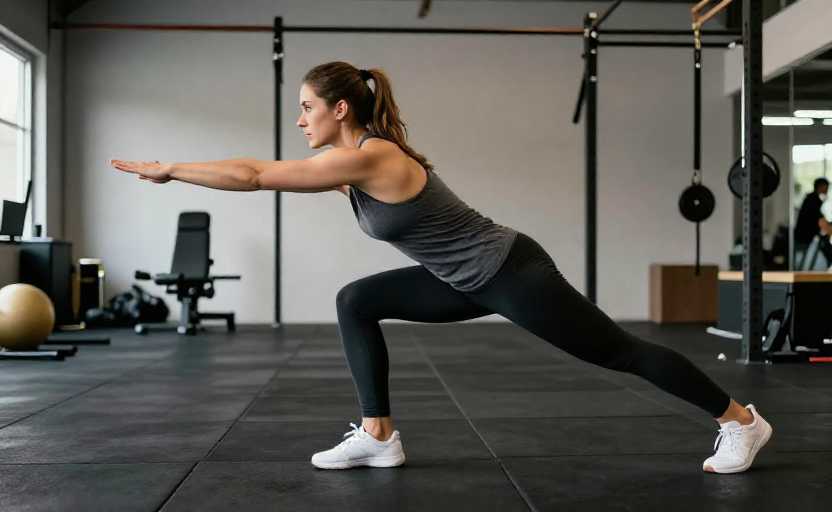
Why Home Strength Training Matters
In recent years, the shift toward home fitness has accelerated, driven by technological advancements and changing lifestyles. For many women, especially those with busy schedules or limited access to traditional gyms, training at home offers a flexible and accessible alternative. This form of exercise is not just about building muscle—it’s about creating a sustainable lifestyle that supports long-term health goals.
A growing body of research highlights the benefits of strength training for women across all age groups. From improving bone density and metabolic function to enhancing mood and reducing the risk of chronic diseases, the advantages are profound. The key lies in consistency, proper technique, and a well-structured routine tailored to individual needs.
Designing an Effective Home Routine
Creating a successful home strength training program starts with understanding one's fitness level and setting realistic goals. Whether the aim is weight loss, muscle building, or general fitness, a personalized plan can make all the difference. A typical session might include bodyweight exercises like squats, push-ups, and planks, combined with resistance bands or dumbbells for added intensity.
One of the most significant advantages of training at home is the ability to customize workouts around personal preferences and time constraints. A woman might choose to focus on lower-body strength in the morning or prioritize core stability before bedtime. The flexibility allows for greater adherence to the routine, which is crucial for long-term success.

Overcoming Common Challenges
Despite its benefits, home strength training is not without its challenges. Lack of motivation, improper form, and insufficient variety can hinder progress. To stay engaged, it’s essential to mix up routines regularly and track improvements over time. Using apps or online resources can also provide structure and accountability.
Another common concern is the fear of injury. However, with proper education and gradual progression, the risk can be minimized. Learning the correct form through videos, tutorials, or even virtual coaching ensures that each movement is performed safely and effectively. It’s also important to listen to the body and allow for adequate rest and recovery.
The Role of Mindset and Community
Beyond the physical aspects, mindset plays a critical role in the success of any fitness journey. Building a positive relationship with exercise—viewing it as a source of empowerment rather than a chore—can significantly impact motivation and enjoyment. Many women find that incorporating strength training into their daily lives fosters a sense of control and self-efficacy.
Additionally, connecting with others who share similar goals can provide valuable support. Online communities, local meetups, or even virtual workout sessions offer opportunities to exchange tips, celebrate milestones, and stay inspired. This sense of belonging can be a powerful motivator, reinforcing the commitment to a healthier lifestyle.
Real-Life Success Stories
Take Sarah, a working mother who started her strength training journey at home after experiencing fatigue and low energy. Within months, she noticed increased stamina, improved posture, and a renewed sense of confidence. Her story is not unique; countless women have found that home-based strength training transforms not only their bodies but also their outlook on life.
Similarly, Maria, a retiree, used strength training to manage arthritis symptoms and regain mobility. By focusing on low-impact exercises and gradually increasing intensity, she was able to maintain independence and enjoy activities she once thought were out of reach. These real-world examples underscore the versatility and effectiveness of home-based training.
Conclusion
Home-based strength training is more than just a fitness trend—it’s a powerful tool for women to take charge of their health and well-being. With the right approach, it can lead to lasting physical and mental benefits. Whether you're a beginner or an experienced athlete, the flexibility, affordability, and accessibility of home workouts make them an attractive option for anyone looking to build strength, resilience, and confidence. The journey may start in the comfort of your own space, but the rewards extend far beyond it.
Disclaimer:
1. This article is sourced from the Internet. All content represents the author's personal views only and does not reflect the stance of this website. The author shall be solely responsible for the content.
2. Part of the content on this website is compiled from the Internet. This website shall not be liable for any civil disputes, administrative penalties, or other losses arising from improper reprinting or citation.
3. If there is any infringing content or inappropriate material, please contact us to remove it immediately. Contact us at:
