
What Types of Flexibility Training Equipment Are Available?
Flexibility training is a cornerstone of physical wellness, offering benefits that extend beyond mere mobility. Whether you're an athlete aiming to enhance performance or someone looking to improve daily function, the right equipment can make a significant difference in your routine. The market offers a diverse range of tools designed to support and expand flexibility, each with its own unique advantages and applications.
Understanding the Purpose of Flexibility Equipment
At its core, flexibility training focuses on improving the range of motion in joints and muscles. This not only helps prevent injuries but also enhances overall body function. The equipment used in this process is varied, reflecting the different methods and goals of flexibility development. Some tools emphasize static stretching, while others encourage dynamic movement or provide resistance for controlled elongation. Understanding these distinctions can help users select the most suitable options for their needs.
Common Flexibility Training Tools
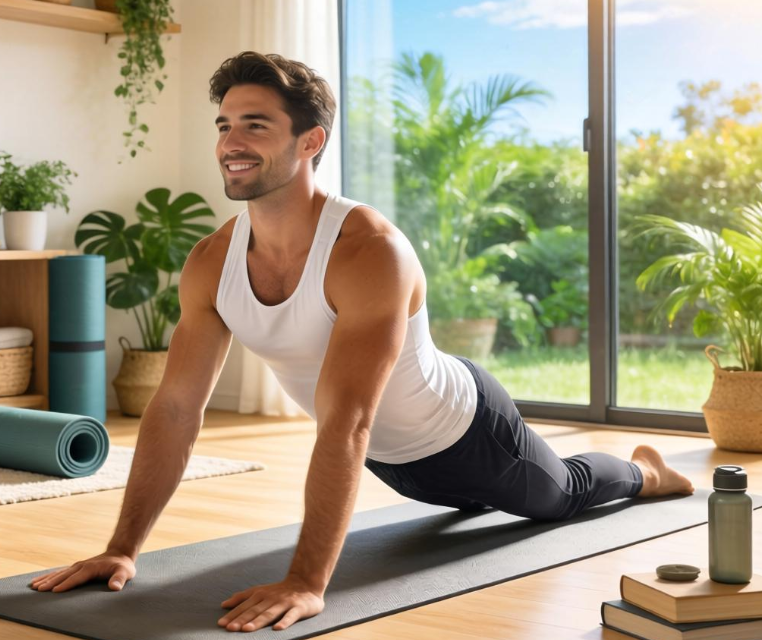
One of the most widely recognized pieces of equipment is the yoga mat. While primarily associated with yoga practice, it serves as a versatile surface for various stretching exercises. Its cushioning provides comfort during prolonged holds, making it ideal for both beginners and advanced practitioners. Additionally, yoga mats are often used in conjunction with other tools, such as resistance bands or foam rollers, to create a comprehensive flexibility routine.
Resistance bands, another staple in flexibility training, offer a portable and effective way to increase muscle length and joint mobility. These bands come in different tensions, allowing users to adjust the difficulty based on their current fitness level. They are particularly useful for dynamic stretches, where movement is combined with resistance to engage multiple muscle groups simultaneously.
Foam rollers have gained popularity in recent years due to their effectiveness in myofascial release. By applying pressure to specific areas of the body, they help reduce muscle tightness and improve circulation. This makes them an essential tool for those looking to maintain or restore flexibility after intense physical activity.
Specialized Flexibility Devices
Beyond the basics, there are specialized devices designed for more targeted flexibility work. For instance, the PNF (Proprioceptive Neuromuscular Facilitation) stretchers are used in professional settings to maximize muscle extensibility through a combination of contraction and relaxation techniques. These tools are often found in rehabilitation centers or among elite athletes who require precise control over their flexibility gains.
Another example is the stability ball, which is commonly used in functional training. When incorporated into stretching routines, the ball allows for greater range of motion by engaging core stability and balance. This makes it a valuable asset for individuals seeking to improve posture and body awareness alongside flexibility.
Choosing the Right Equipment for Your Needs
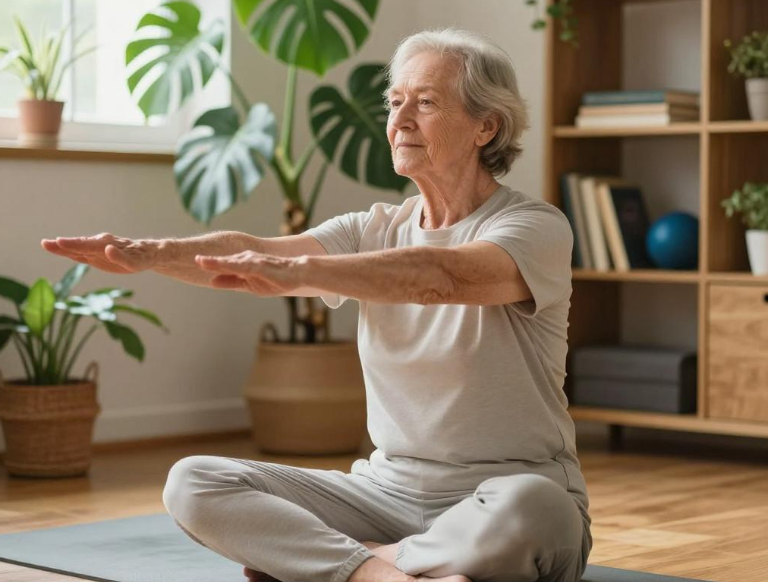
Selecting the appropriate flexibility equipment depends on several factors, including personal goals, physical condition, and available space. For those new to flexibility training, starting with a few fundamental tools like a yoga mat and resistance bands can be both practical and effective. As experience grows, incorporating more specialized items may become necessary to address specific limitations or enhance performance.
Incorporating flexibility training into a regular exercise regimen can lead to long-term improvements in mobility, posture, and overall well-being. With the right tools and consistent practice, anyone can unlock the full potential of their body's natural flexibility.
Conclusion
The variety of flexibility training equipment available today reflects the growing recognition of flexibility as a vital component of physical health. From simple mats and bands to more advanced devices, each tool plays a role in helping individuals achieve greater range of motion and improved body function. Whether you're training for sport, recovery, or general wellness, understanding the purpose and use of these tools can significantly enhance your flexibility journey.
Disclaimer:
1. This article is sourced from the Internet. All content represents the author's personal views only and does not reflect the stance of this website. The author shall be solely responsible for the content.
2. Part of the content on this website is compiled from the Internet. This website shall not be liable for any civil disputes, administrative penalties, or other losses arising from improper reprinting or citation.
3. If there is any infringing content or inappropriate material, please contact us to remove it immediately. Contact us at:
