
What Are the Various Flexibility Training Exercises?
Flexibility training is a cornerstone of physical fitness, offering benefits that extend beyond mere range of motion. It plays a critical role in injury prevention, performance enhancement, and overall musculoskeletal health. Whether you're an athlete, a desk worker, or someone simply looking to improve daily mobility, incorporating flexibility exercises into your routine can yield significant long-term rewards.
Understanding the Purpose of Flexibility Workouts
At its core, flexibility training aims to increase the range of motion around joints by improving the extensibility of muscles and connective tissues. This isn’t just about being able to touch your toes; it’s about creating a body that moves with ease, efficiency, and control. Think of it as a form of maintenance for your body's mechanical systems—without regular upkeep, even the best machines can break down over time.

Common Flexibility Training Methods
There are several well-established methods for improving flexibility, each with its own approach and benefits. Dynamic stretching, for instance, involves controlled movements that mimic the actions of a specific activity, preparing the body for movement. This type of stretching is particularly useful before workouts or sports events, as it helps activate the nervous system and increase blood flow to working muscles.
Static stretching, on the other hand, focuses on holding a position for an extended period—usually 15 to 30 seconds—to gradually lengthen the muscle. While it’s often recommended after exercise, some studies suggest that it may not be ideal immediately before high-intensity activities due to temporary reductions in muscle strength and power.
Proprioceptive neuromuscular facilitation (PNF) is another advanced technique that combines stretching and muscle contraction. Often used by physiotherapists and athletes, PNF leverages the body’s natural reflexes to achieve greater flexibility. It typically involves a partner or resistance band to assist in the stretching process, making it a highly effective but more complex method.
Practical Examples of Flexibility Exercises
To bring these concepts to life, consider the following examples. The hamstring stretch, where one sits with a leg extended and reaches toward the toes, is a classic static stretch that targets the back of the legs. For dynamic movement, leg swings performed while holding onto a wall or support can help warm up the hip flexors and hamstrings before a run or workout.
The cat-cow stretch, commonly seen in yoga practices, is excellent for the spine and surrounding muscles. It involves alternating between arching and rounding the back while breathing deeply, promoting spinal mobility and relieving tension. Similarly, the shoulder roll is a simple yet effective exercise that loosens the upper back and shoulders, often tight from prolonged sitting or poor posture.
Incorporating Flexibility Into Daily Routines
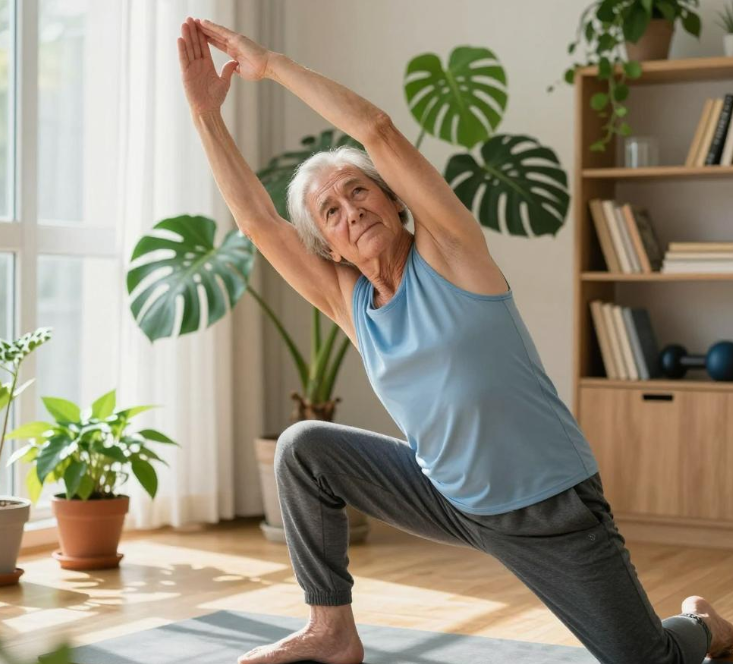
Integrating flexibility work into daily life doesn’t have to be time-consuming or complicated. A few minutes of stretching each morning or evening can make a noticeable difference in how the body feels throughout the day. For those with busy schedules, even brief sessions can be valuable, especially if they focus on the most commonly tight areas such as the hips, shoulders, and lower back.
It’s also worth noting that consistency is key. Like any form of training, flexibility improves with regular practice. However, it’s important to listen to the body and avoid pushing too hard, which could lead to strain or injury. Gentle, gradual progress is always preferable to quick fixes that may compromise long-term health.
The Broader Impact of Flexibility
Beyond the physical benefits, flexibility training has psychological and emotional advantages as well. It encourages mindfulness, as the practice requires attention to breath and body awareness. Many people find that stretching becomes a form of meditation, helping to reduce stress and improve mental clarity.
Moreover, enhanced flexibility can boost confidence in physical activities, whether it's dancing, climbing, or simply moving through everyday tasks with greater ease. It’s a subtle but powerful way to feel more connected to one’s body and more capable of handling life’s physical demands.
Conclusion
Flexibility training encompasses a wide range of exercises and techniques, each designed to improve the body’s ability to move freely and efficiently. From dynamic stretches to advanced PNF methods, there are options to suit every individual’s needs and goals. By making flexibility a regular part of one’s fitness routine, individuals can enjoy not only improved physical performance but also a greater sense of well-being and vitality. Ultimately, the goal is not just to stretch more, but to live more fully.
Disclaimer:
1. This article is sourced from the Internet. All content represents the author's personal views only and does not reflect the stance of this website. The author shall be solely responsible for the content.
2. Part of the content on this website is compiled from the Internet. This website shall not be liable for any civil disputes, administrative penalties, or other losses arising from improper reprinting or citation.
3. If there is any infringing content or inappropriate material, please contact us to remove it immediately. Contact us at:
