
Basketball Leg Strength Training
Leg strength is a cornerstone of athletic performance in basketball, influencing everything from explosive jumps to quick directional changes. Without a solid foundation of lower-body power, even the most skilled players may struggle to reach their full potential on the court.
The Importance of Leg Strength in Basketball
In the fast-paced environment of basketball, the legs serve as the primary engine for movement. Whether it's driving to the basket, contesting a shot, or recovering defensively, strong legs provide the stability and force needed to execute these actions efficiently. Players with well-developed leg muscles can generate more power during layups, maintain better balance during contact, and recover faster after intense plays. This is not just about brute strength—it’s about functional strength that translates directly to game situations.
Key Exercises for Building Leg Power
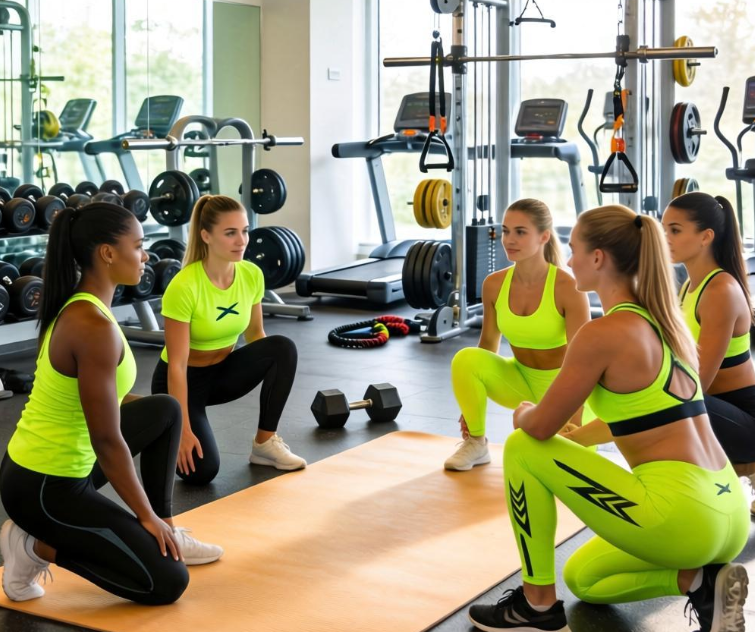
A well-rounded leg strength training program should focus on both compound movements and targeted muscle development. Squats, deadlifts, and lunges are fundamental exercises that build overall lower-body strength and improve coordination. However, basketball-specific drills such as box jumps, plyometric bounds, and resistance band sprints can help bridge the gap between gym workouts and on-court performance. These exercises mimic the dynamic movements found in the sport, making them particularly effective for enhancing agility and explosiveness.
Incorporating Variety and Progression
One common mistake among athletes is sticking to the same routine without adjusting intensity or complexity. To avoid plateaus and ensure continuous improvement, it’s essential to introduce variety and gradually increase the difficulty of exercises. For example, a player might start with bodyweight squats and progress to weighted variations, then incorporate unilateral movements like single-leg deadlifts to address imbalances. This progression not only builds strength but also improves neuromuscular control, which is crucial for injury prevention.

Balancing Strength with Mobility and Recovery
While building strength is vital, it must be balanced with flexibility and recovery practices. Tight hamstrings or limited hip mobility can hinder performance and increase the risk of injury. Stretching routines, foam rolling, and active recovery sessions should be integrated into the training plan. Additionally, adequate rest and nutrition play a critical role in supporting muscle growth and ensuring the body can handle the demands of rigorous training.
Real-World Application and Player Insights
Many professional basketball players emphasize the importance of leg strength in their training regimens. For instance, a player who has struggled with vertical jump height may find significant improvements after incorporating plyometric drills and strength-focused leg workouts. Coaches often note that players who prioritize leg conditioning tend to perform better in high-pressure moments, such as clutch free throws or defensive rebounds. These real-world examples underscore the practical value of focused leg strength training.
Conclusion
In the competitive world of basketball, leg strength is more than just a physical attribute—it’s a strategic advantage. By investing time and effort into developing powerful, resilient legs, players can enhance their performance, reduce injury risks, and extend their careers. Whether you're a rookie or a seasoned pro, integrating structured leg strength training into your routine is a step toward unlocking your full potential on the court.
Disclaimer:
1. This article is sourced from the Internet. All content represents the author's personal views only and does not reflect the stance of this website. The author shall be solely responsible for the content.
2. Part of the content on this website is compiled from the Internet. This website shall not be liable for any civil disputes, administrative penalties, or other losses arising from improper reprinting or citation.
3. If there is any infringing content or inappropriate material, please contact us to remove it immediately. Contact us at:
