
Female Strength Training Recommendations
In recent years, strength training has become an essential component of fitness routines for women, offering benefits that extend far beyond physical appearance. Whether aiming to improve athletic performance, enhance daily functionality, or boost overall well-being, a well-structured strength training program can deliver transformative results. The key lies in understanding the unique needs and goals of female athletes and fitness enthusiasts, and tailoring exercises accordingly.
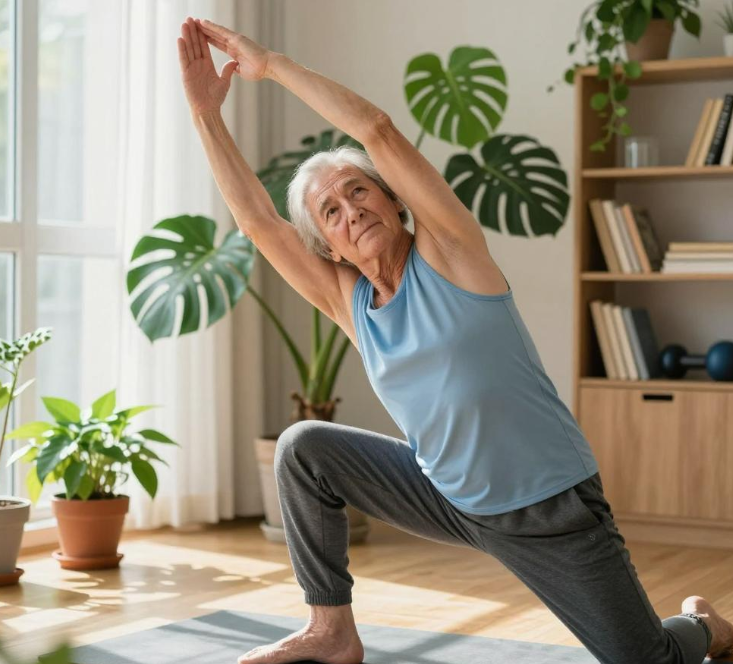
Understanding the Benefits of Strength Training for Women
Strength training is more than just lifting weights—it’s about building resilience, increasing metabolism, and fostering long-term health. For women, this type of exercise plays a crucial role in preventing age-related muscle loss, improving bone density, and enhancing functional movement patterns. Research consistently shows that regular strength training can reduce the risk of chronic conditions such as osteoporosis and cardiovascular disease. Moreover, it helps in developing a stronger, more confident mindset, which is often overlooked but equally important.
Key Principles for Effective Female Strength Training
A successful strength training regimen for women should be grounded in a few fundamental principles. First, consistency is vital. Regular sessions, even if short, lead to measurable progress over time. Second, progressive overload—gradually increasing the intensity or difficulty of exercises—is essential for continued growth and adaptation. Third, proper form must always take precedence over speed or weight. This not only prevents injury but also ensures that the targeted muscles are engaged effectively.

Popular Exercises for Women
There is no one-size-fits-all approach when it comes to strength training, but certain exercises have proven to be particularly effective for women. Compound movements like squats, deadlifts, and bench presses engage multiple muscle groups at once, making them highly efficient. Bodyweight exercises such as push-ups, planks, and lunges are excellent for building foundational strength without the need for equipment. For those looking to add resistance, dumbbells, resistance bands, and kettlebells offer versatile options that can be adjusted to suit different fitness levels.
Tailoring Programs to Individual Goals
Every woman’s fitness journey is unique, and so should be her training program. A beginner might focus on mastering basic movements and building endurance, while someone with advanced experience could explore more complex techniques like supersets or drop sets. Those with specific goals—such as improving sports performance, recovering from an injury, or preparing for a competition—should work with a qualified trainer to design a personalized plan. This ensures that the program aligns with both physical capabilities and long-term aspirations.
Nutrition and Recovery: The Hidden Pillars of Success
While strength training is undeniably important, it cannot be separated from the broader context of overall wellness. Proper nutrition provides the fuel needed for muscle repair and growth, while adequate recovery allows the body to adapt and strengthen. Women should pay close attention to their protein intake, hydration, and sleep patterns. Incorporating active recovery days, stretching, and mobility work can also significantly enhance performance and reduce the risk of overuse injuries.
Overcoming Common Misconceptions
Despite its many benefits, strength training for women is still surrounded by myths. One common misconception is that lifting heavy weights will make women look bulky. In reality, building significant muscle mass requires a combination of intense training, precise nutrition, and genetic factors—something that most women do not naturally achieve without deliberate effort. Another myth is that strength training is only for young, athletic individuals. On the contrary, it is beneficial for all ages and fitness levels, helping to maintain independence and quality of life as one ages.
Conclusion
Strength training is not a trend; it is a powerful tool that empowers women to take control of their health and fitness. By focusing on proper technique, individualized programming, and holistic wellness, women can unlock their full potential. Whether you're just starting out or looking to refine your routine, the journey toward strength is both rewarding and transformative. With the right approach, every woman can build a stronger, healthier, and more confident version of herself.
Disclaimer:
1. This article is sourced from the Internet. All content represents the author's personal views only and does not reflect the stance of this website. The author shall be solely responsible for the content.
2. Part of the content on this website is compiled from the Internet. This website shall not be liable for any civil disputes, administrative penalties, or other losses arising from improper reprinting or citation.
3. If there is any infringing content or inappropriate material, please contact us to remove it immediately. Contact us at:
