
A Comprehensive Guide to Gym Equipment Names
In the world of fitness, understanding the terminology associated with gym equipment is essential for both beginners and seasoned athletes. Whether you're stepping into a commercial gym or setting up a home workout space, knowing the names and functions of various machines can significantly enhance your training experience. This guide offers an in-depth overview of common gym equipment, shedding light on their purposes and how they contribute to different aspects of physical development.
The Foundation of Strength Training: Free Weights and Racks
At the heart of any gym lies the free weights section, where dumbbells, barbells, and weight plates form the backbone of strength training. Dumbbells, available in a range of weights, are versatile tools that allow for unilateral movements, helping to correct muscle imbalances. Barbells, typically heavier, are used for compound exercises such as bench presses, squats, and deadlifts, which engage multiple muscle groups simultaneously. Weight racks provide organized storage for these items, ensuring easy access and safe handling.

Machines Designed for Precision and Safety
While free weights offer flexibility, gym machines are engineered to target specific muscles with controlled motion paths. The leg press machine, for instance, isolates the lower body, particularly the quadriceps, while minimizing strain on the lower back. The chest press machine focuses on the pectoral muscles, offering a stable platform for consistent resistance. These machines are especially beneficial for individuals new to weightlifting, as they reduce the risk of improper form and injury.
Cardiovascular Equipment: The Heart of Endurance Workouts
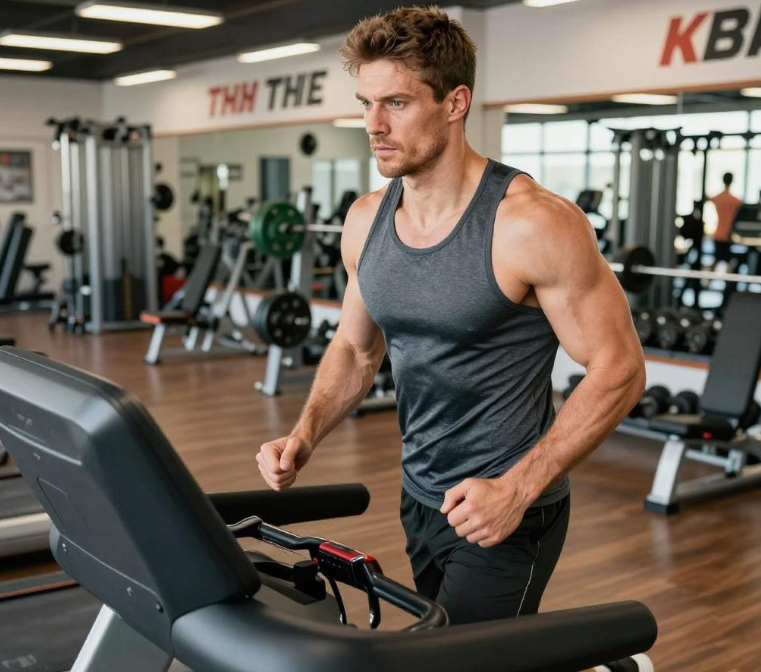
For those aiming to improve cardiovascular health, cardio machines are indispensable. Treadmills, stationary bikes, and ellipticals each serve unique roles in enhancing endurance and burning calories. Treadmills simulate outdoor running, allowing users to adjust speed and incline. Stationary bikes provide low-impact cardio, making them ideal for individuals recovering from injuries. Ellipticals, with their smooth, gliding motion, offer a full-body workout without putting stress on joints.
Functional Training Tools: Enhancing Mobility and Stability
Beyond traditional weights and machines, functional training equipment plays a crucial role in developing overall athleticism. Kettlebells, resembling large cast iron balls, are used for dynamic movements like swings and cleans, which build power and coordination. Resistance bands, available in varying tensions, add versatility to workouts by providing constant tension throughout the movement. Suspension trainers, such as TRX systems, use body weight and gravity to challenge balance and core stability, making them popular among athletes and fitness enthusiasts alike.
Specialized Equipment for Rehabilitation and Recovery
Not all gym equipment is focused on building strength or endurance. Some tools are designed with rehabilitation and recovery in mind. Massage guns, for example, help alleviate muscle soreness and improve circulation. Foam rollers aid in myofascial release, reducing tightness and promoting flexibility. These tools are increasingly integrated into modern fitness routines, emphasizing the importance of recovery in maintaining long-term performance.
Conclusion: Choosing the Right Tools for Your Goals
Understanding the names and functions of gym equipment is more than just memorization—it's about aligning your training tools with your personal fitness objectives. From the foundational free weights to the specialized machines designed for precision and recovery, each piece of equipment serves a distinct purpose. By familiarizing yourself with these tools, you not only enhance your workout efficiency but also take a proactive approach to your physical well-being. Whether you're lifting heavy, running miles, or simply stretching out after a session, the right equipment can make all the difference.
Disclaimer:
1. This article is sourced from the Internet. All content represents the author's personal views only and does not reflect the stance of this website. The author shall be solely responsible for the content.
2. Part of the content on this website is compiled from the Internet. This website shall not be liable for any civil disputes, administrative penalties, or other losses arising from improper reprinting or citation.
3. If there is any infringing content or inappropriate material, please contact us to remove it immediately. Contact us at:
